World

Israel Elections 2026 Live Updates: Polls open in Israel, voters to decide whether to oust Netanyahu

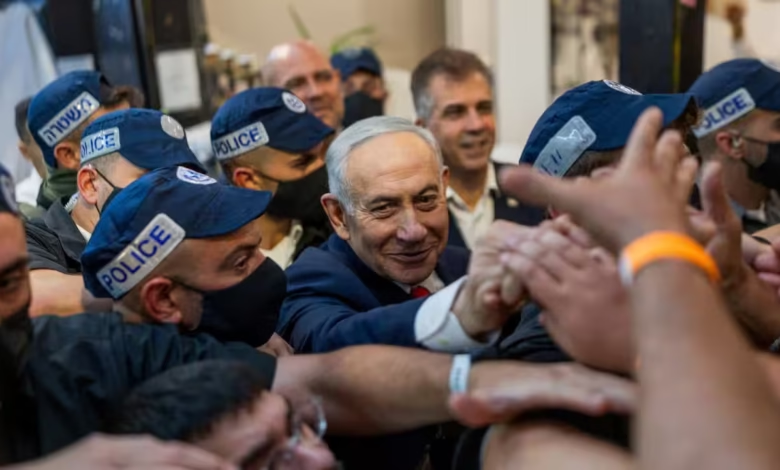
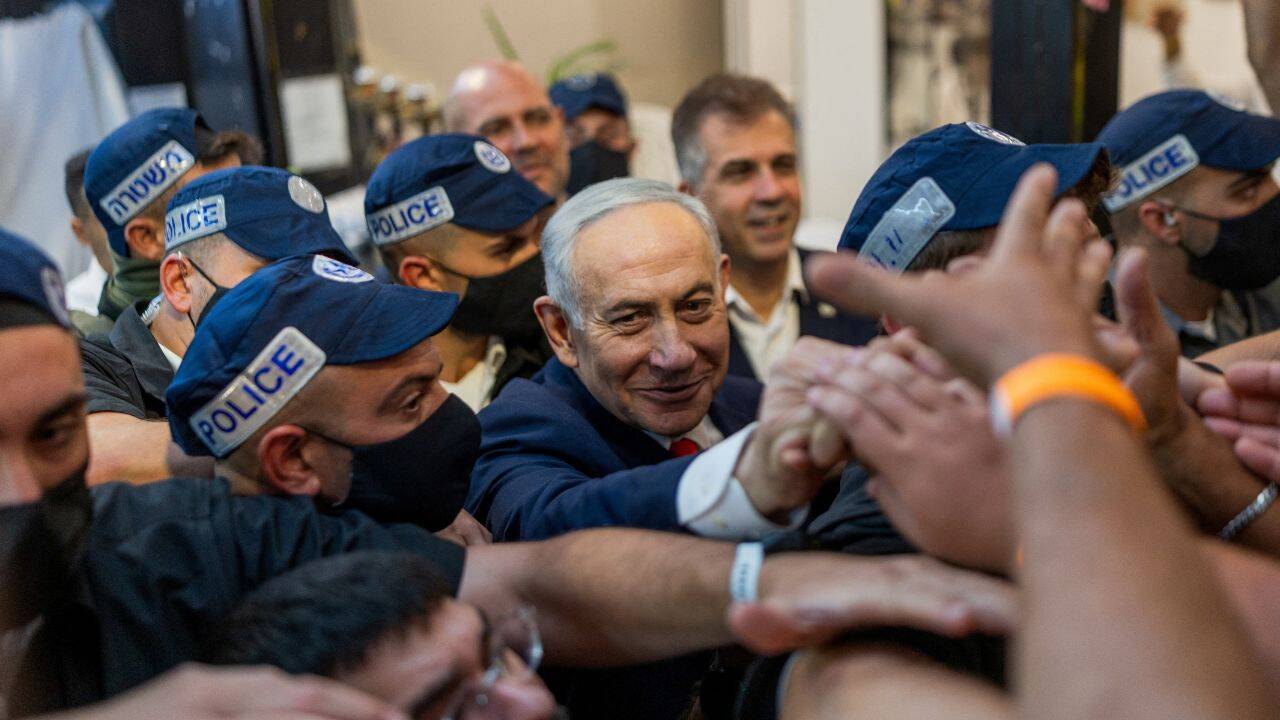
Israel is voting in parliamentary elections, with Prime Minister Benjamin Netanyahu seeking another term amid public scrutiny of his government’s handling of the October 7, 2023, Hamas attack, the wars that followed and a series of domestic and foreign policy challenges. The election is shaping up as a crucial test of Netanyahu’s leadership, with opposition figures, including former military chief Gadi Eisenkot and former prime minister Naftali Bennett, seeking to unseat his right-wing coalition.

Opinion polls suggest that neither Netanyahu’s bloc nor the opposition has a clear path to the 61 seats required to secure a majority in the 120-member Knesset. The result could hinge on the performance of smaller parties, their ability to cross the electoral threshold and the coalition negotiations that follow.

Security remains a central campaign issue, with voters weighing the government’s response to the October 7 assault, Israel’s military campaigns in Gaza and the wider regional conflict involving Iran and armed groups. The war in Gaza has resulted in tens of thousands of Palestinian deaths, according to the territory’s health ministry, while Netanyahu continues to face questions over accountability for the security failures preceding the Hamas-led attack. He also faces domestic legal proceedings and an International Criminal Court arrest warrant issued in 2024 over alleged war crimes and crimes against humanity.

The campaign has also been shaped by disputes over ultra-Orthodox exemptions from military service, the role of religious parties in government and controversial judicial reforms that have raised concerns about democratic institutions and judicial independence.

Israel’s proportional representation system means voters choose party lists rather than individual lawmakers. The party winning the most seats does not automatically form the government; a candidate must secure support from at least 61 lawmakers to establish a coalition.


Source link

Related Articles

Leave a Reply

Your email address will not be published. Required fields are marked *

Back to top button
×
newsnation.aanest.com
Logo
Date of Publish : 27 October 2026, 12:09 pm Digital Edition : News nation
Israel Elections 2026 Live Updates: Polls open in Israel, voters to decide whether to oust Netanyahu

Israel is voting in parliamentary elections, with Prime Minister Benjamin Netanyahu seeking another term amid public scrutiny of his government's handling of the October 7, 2023, Hamas attack, the wars that followed and a series of domestic and foreign policy challenges. The election is shaping up as a crucial test of Netanyahu's leadership, with opposition figures, including former military chief Gadi Eisenkot and former prime minister Naftali Bennett, seeking to unseat his right-wing coalition. Opinion polls suggest that neither Netanyahu's bloc nor the opposition has a clear path to the 61 seats required to secure a majority in the 120-member Knesset. The result could hinge on the performance of smaller parties, their ability to cross the electoral threshold and the coalition negotiations that follow. Security remains a central campaign issue, with voters weighing the government's response to the October 7 assault, Israel's military campaigns in Gaza and the wider regional conflict involving Iran and armed groups. The war in Gaza has resulted in tens of thousands of Palestinian deaths, according to the territory's health ministry, while Netanyahu continues to face questions over accountability for the security failures preceding the Hamas-led attack. He also faces domestic legal proceedings and an International Criminal Court arrest warrant issued in 2024 over alleged war crimes and crimes against humanity. The campaign has also been shaped by disputes over ultra-Orthodox exemptions from military service, the role of religious parties in government and controversial judicial reforms that have raised concerns about democratic institutions and judicial independence. Israel's proportional representation system means voters choose party lists rather than individual lawmakers. The party winning the most seats does not automatically form the government; a candidate must secure support from at least 61 lawmakers to establish a coalition.

Source link