World

An 18-year-old fisherman went out to sea with his cousin; 41 days later, rescuers found him alone in the Pacific, 2,000 km from home | World News

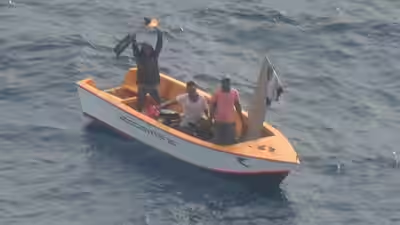
An 18-year-old fisherman went out to sea with his cousin; 41 days later, rescuers found him alone in the Pacific, 2,000 km from home

An 18-year-old fisherman from Papua New Guinea has been rescued after spending 41 days adrift in the Pacific Ocean, thousands of kilometres from home. Luka Rahan had set out on a fishing trip with his cousin when their boat developed engine trouble, leaving them at the mercy of the sea. With no anchor to secure the vessel, the boat drifted across the Pacific before a group of fishermen from Kiribati spotted it near the islands of Tarawa and Maiana. Rahan was found alone and severely dehydrated, while his cousin had reportedly died about a week before the rescue. Taken to a hospital in Kiribati’s capital, Tarawa, the teenager began recovering as news of his extraordinary ordeal reached his home country.

A fishing trip turned into a 41-day ordeal

Rahan, from northern Bougainville in Papua New Guinea, had ventured out to sea with his cousin when their boat developed engine problems. Without a functioning engine and an anchor to keep the vessel in place, the pair were left drifting in open water.Their boat travelled an estimated 2,000 kilometres from their starting point before reaching waters between Tarawa and Maiana, part of the island nation of Kiribati. The journey left the teenager far from home, with no immediate access to help.After 41 days at sea, local fishermen spotted the boat on October 27 and discovered Rahan alone. His rescue brought an end to an ordeal that had left him severely dehydrated and in need of medical care.

His cousin reportedly died before the rescue

Rahan’s cousin, who had accompanied him on the fishing trip, reportedly died at sea approximately a week before the teenager was found. The circumstances surrounding his death have not been fully detailed in the reports.By the time the fishermen reached the boat, Rahan was alone. His survival came amid the loss of his travelling companion, turning the rescue into a story of both extraordinary endurance and tragedy.

A fellow Papua New Guinean helped him recover

Following the rescue, Rahan was taken to a hospital in Tarawa, Kiribati’s capital, for treatment. He was severely dehydrated, but reports said he was responsive and gradually regaining his strength.Jonathan Anthony Kunau, a Papua New Guinean engineer living and working in Tarawa, visited the teenager after learning about his rescue. Kunau wanted to ensure that Rahan was receiving care and did not feel alone while recovering in a foreign country.He also helped establish contact with Rahan’s family in Papua New Guinea, informing them that the teenager had been found alive. The news brought relief to relatives who had been waiting to learn his fate.

Another long-distance rescue involving fishermen from Bougainville

Rahan’s rescue came after another incident involving people from Bougainville who were found near Kiribati following an extended period adrift at sea.In that earlier case, three people from Nissan Island reportedly spent around 70 days drifting before being rescued. They later returned home. The incidents have drawn attention to the risks faced by people travelling in small boats across the Pacific, where engine failures and the absence of suitable safety equipment can leave vessels vulnerable to winds and ocean currents.

A reminder of the risks of travelling at sea

Rahan’s ordeal highlights how quickly a routine fishing trip can become a life-threatening emergency when a vessel loses power far from shore. An anchor can help prevent a boat from drifting in some conditions, while reliable navigation equipment and emergency communication devices can improve the chances of getting assistance.Kunau urged fishermen to carry essential equipment, including a compass, an anchor and a phone. For those travelling beyond mobile network coverage, suitable marine communication equipment is also important.


Source link

Related Articles

Leave a Reply

Your email address will not be published. Required fields are marked *

Back to top button
×
newsnation.aanest.com
Logo
Date of Publish : 28 October 2026, 4:35 pm Digital Edition : News nation
An 18-year-old fisherman went out to sea with his cousin; 41 days later, rescuers found him alone in the Pacific, 2,000 km from home | World News

An 18-year-old fisherman from Papua New Guinea has been rescued after spending 41 days adrift in the Pacific Ocean, thousands of kilometres from home. Luka Rahan had set out on a fishing trip with his cousin when their boat developed engine trouble, leaving them at the mercy of the sea. With no anchor to secure the vessel, the boat drifted across the Pacific before a group of fishermen from Kiribati spotted it near the islands of Tarawa and Maiana. Rahan was found alone and severely dehydrated, while his cousin had reportedly died about a week before the rescue. Taken to a hospital in Kiribati's capital, Tarawa, the teenager began recovering as news of his extraordinary ordeal reached his home country.A fishing trip turned into a 41-day ordealRahan, from northern Bougainville in Papua New Guinea, had ventured out to sea with his cousin when their boat developed engine problems. Without a functioning engine and an anchor to keep the vessel in place, the pair were left drifting in open water.Their boat travelled an estimated 2,000 kilometres from their starting point before reaching waters between Tarawa and Maiana, part of the island nation of Kiribati. The journey left the teenager far from home, with no immediate access to help.After 41 days at sea, local fishermen spotted the boat on October 27 and discovered Rahan alone. His rescue brought an end to an ordeal that had left him severely dehydrated and in need of medical care.His cousin reportedly died before the rescueRahan's cousin, who had accompanied him on the fishing trip, reportedly died at sea approximately a week before the teenager was found. The circumstances surrounding his death have not been fully detailed in the reports.By the time the fishermen reached the boat, Rahan was alone. His survival came amid the loss of his travelling companion, turning the rescue into a story of both extraordinary endurance and tragedy.A fellow Papua New Guinean helped him recoverFollowing the rescue, Rahan was taken to a hospital in Tarawa, Kiribati's capital, for treatment. He was severely dehydrated, but reports said he was responsive and gradually regaining his strength.Jonathan Anthony Kunau, a Papua New Guinean engineer living and working in Tarawa, visited the teenager after learning about his rescue. Kunau wanted to ensure that Rahan was receiving care and did not feel alone while recovering in a foreign country.He also helped establish contact with Rahan's family in Papua New Guinea, informing them that the teenager had been found alive. The news brought relief to relatives who had been waiting to learn his fate.Another long-distance rescue involving fishermen from BougainvilleRahan's rescue came after another incident involving people from Bougainville who were found near Kiribati following an extended period adrift at sea.In that earlier case, three people from Nissan Island reportedly spent around 70 days drifting before being rescued. They later returned home. The incidents have drawn attention to the risks faced by people travelling in small boats across the Pacific, where engine failures and the absence of suitable safety equipment can leave vessels vulnerable to winds and ocean currents.A reminder of the risks of travelling at seaRahan's ordeal highlights how quickly a routine fishing trip can become a life-threatening emergency when a vessel loses power far from shore. An anchor can help prevent a boat from drifting in some conditions, while reliable navigation equipment and emergency communication devices can improve the chances of getting assistance.Kunau urged fishermen to carry essential equipment, including a compass, an anchor and a phone. For those travelling beyond mobile network coverage, suitable marine communication equipment is also important.

Source link