
World

Singapore built a 350-metre barrage across Marina Channel to create its 15th reservoir in the heart of the city, while using gates and pumps to manage floods and opening the waterfront to recreation | World News

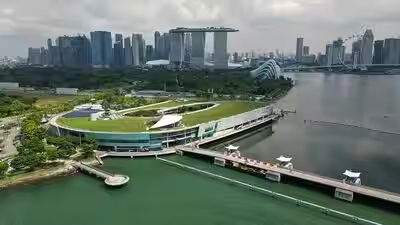
Singapore built a 350-metre barrage across Marina Channel to create its 15th reservoir in the heart of the city, while using gates and pumps to manage floods and opening the waterfront to recreation

Singapore built Marina Barrage across the mouth of Marina Channel to create a freshwater reservoir in the heart of the city. The structure was designed to serve three purposes that are controlling floods, supporting the national water supply and providing space for recreation.It created the country’s 15th reservoir and its first in the city centre, while helping expand Singapore’s water catchment area. According to PUB, Singapore’s National Water Agency, Marina Barrage opened in 2008, and Marina Reservoir was commissioned in 2010. The barrage keeps seawater out of the reservoir and helps maintain relatively stable water levels throughout the year.

How did Singapore turn Marina Channel into a freshwater reservoir

Marina Barrage was built across the mouth of Marina Channel, creating Singapore’s 15th reservoir and the first in the heart of the city. The project was based on the vision of Singapore’s first Prime Minister, the late Lee Kuan Yew, who had envisaged damming the mouth of Marina Channel to create a freshwater reservoir.The barrage spans the 350-metre-wide Marina Channel and acts as a tidal barrier, keeping seawater out of the reservoir. Marina Reservoir was officially commissioned on 20 November 2010 by Lee. Before that, Marina Barrage had been officially opened on 31 October 2008. Desalting began in April 2009, through natural replacement by rainwater, preparing the reservoir to become part of Singapore’s water supply.

How did Singapore turn Marina Channel into a freshwater reservoir<br>

PC: Wikipedia

What role does Marina Barrage play in Singapore’s flood control

The barrage forms part of a wider flood-control scheme designed to ease flooding in low-lying parts of Singapore. The areas identified by PUB include Chinatown, Boat Quay, Jalan Besar and Geylang.During heavy rain, 9 crest gates can be activated to release excess stormwater into the sea when the tide is low. When the tide is high, giant pumps can drain excess stormwater into the sea instead. These systems allow the barrage to help manage water levels during periods of heavy rainfall.Its flood-control role is one of three main functions identified by PUB, alongside supplying water and providing a venue for recreational and lifestyle activities in the city.

Marina Reservoir supports water and recreational activities

Marina Barrage also provides a setting for water-based activities and public recreation. By removing tidal influence from Marina Reservoir, the structure helps maintain relatively stable water levels throughout the year. These conditions are suitable for activities including kayaking, sailing and dragon boating. The Green Roof has also become a popular destination for visitors.It provides sweeping views of the Singapore skyline and space for activities such as kite-flying and picnicking. These public uses form the third part of the barrage’s stated purpose, alongside flood control and water supply. The site combines water infrastructure with places where people can spend time outdoors, while the reservoir supports a range of activities on the water for visitors and residents.

Why is Marina catchment important to Singapore’s water supply

Marina Barrage keeps seawater out of the reservoir, while removing the influence of tides from Marina Reservoir. This allows water levels to remain relatively constant throughout the year. The reservoir has a catchment area of 10,000 hectares, making Marina catchment Singapore’s largest and most urbanised catchment.Together with two other reservoirs, it has increased the country’s water catchment from half to two-thirds of the country’s land area. Marina Reservoir was commissioned as a freshwater reservoir in November 2010, adding to the country’s water supply for future generations. This expanded the area used to collect rainwater.


Source link

Related Articles

Leave a Reply

Your email address will not be published. Required fields are marked *

Back to top button
×
newsnation.aanest.com
Logo
Date of Publish : 23 November 2026, 5:02 pm Digital Edition : News nation
Singapore built a 350-metre barrage across Marina Channel to create its 15th reservoir in the heart of the city, while using gates and pumps to manage floods and opening the waterfront to recreation | World News

Singapore built Marina Barrage across the mouth of Marina Channel to create a freshwater reservoir in the heart of the city. The structure was designed to serve three purposes that are controlling floods, supporting the national water supply and providing space for recreation.It created the country’s 15th reservoir and its first in the city centre, while helping expand Singapore’s water catchment area. According to PUB, Singapore’s National Water Agency, Marina Barrage opened in 2008, and Marina Reservoir was commissioned in 2010. The barrage keeps seawater out of the reservoir and helps maintain relatively stable water levels throughout the year.How did Singapore turn Marina Channel into a freshwater reservoirMarina Barrage was built across the mouth of Marina Channel, creating Singapore’s 15th reservoir and the first in the heart of the city. The project was based on the vision of Singapore’s first Prime Minister, the late Lee Kuan Yew, who had envisaged damming the mouth of Marina Channel to create a freshwater reservoir.The barrage spans the 350-metre-wide Marina Channel and acts as a tidal barrier, keeping seawater out of the reservoir. Marina Reservoir was officially commissioned on 20 November 2010 by Lee. Before that, Marina Barrage had been officially opened on 31 October 2008. Desalting began in April 2009, through natural replacement by rainwater, preparing the reservoir to become part of Singapore’s water supply.PC: WikipediaWhat role does Marina Barrage play in Singapore’s flood controlThe barrage forms part of a wider flood-control scheme designed to ease flooding in low-lying parts of Singapore. The areas identified by PUB include Chinatown, Boat Quay, Jalan Besar and Geylang.During heavy rain, 9 crest gates can be activated to release excess stormwater into the sea when the tide is low. When the tide is high, giant pumps can drain excess stormwater into the sea instead. These systems allow the barrage to help manage water levels during periods of heavy rainfall.Its flood-control role is one of three main functions identified by PUB, alongside supplying water and providing a venue for recreational and lifestyle activities in the city.Marina Reservoir supports water and recreational activitiesMarina Barrage also provides a setting for water-based activities and public recreation. By removing tidal influence from Marina Reservoir, the structure helps maintain relatively stable water levels throughout the year. These conditions are suitable for activities including kayaking, sailing and dragon boating. The Green Roof has also become a popular destination for visitors.It provides sweeping views of the Singapore skyline and space for activities such as kite-flying and picnicking. These public uses form the third part of the barrage’s stated purpose, alongside flood control and water supply. The site combines water infrastructure with places where people can spend time outdoors, while the reservoir supports a range of activities on the water for visitors and residents.Why is Marina catchment important to Singapore’s water supplyMarina Barrage keeps seawater out of the reservoir, while removing the influence of tides from Marina Reservoir. This allows water levels to remain relatively constant throughout the year. The reservoir has a catchment area of 10,000 hectares, making Marina catchment Singapore’s largest and most urbanised catchment.Together with two other reservoirs, it has increased the country’s water catchment from half to two-thirds of the country’s land area. Marina Reservoir was commissioned as a freshwater reservoir in November 2010, adding to the country’s water supply for future generations. This expanded the area used to collect rainwater.

Source link