World

Scientists surveyed two remote Pacific atolls and found 15 seabird species confirmed or likely to be breeding, 132 turtle nest pits and two fish observations requiring further study; the atolls provide a benchmark for a 48,000-square-kilometre sanctuary

Scientists surveyed two remote Pacific atolls and found 15 seabird species confirmed or likely to be breeding, 132 turtle nest pits and two fish observations requiring further study; the atolls provide a benchmark for a 48,000-square-kilometre sanctuary
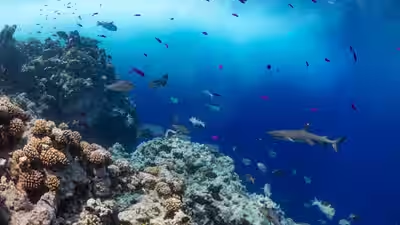
Pacific survey finds 15 breeding seabird species, 132 turtle nests and two unusual fish observations (Image Credit: Manu San Félix via Frontiers)

Some of the world’s healthiest marine ecosystems may still exist in places so remote that human activity has had little influence on their wildlife and habitats. Scientists surveying two isolated Pacific atolls have documented thriving seabird colonies, green sea turtle nesting grounds, diverse fish communities and extensive coral reefs. The findings offer a rare picture of what relatively undisturbed tropical ocean ecosystems can look like.The findings come from a study published on November 11, 2026, in Frontiers in Marine Science, titled From the sky to the deep sea: ecosystem structure and ecological integrity across the National Marine Sanctuaries of Bikar and Bokak, Marshall Islands. The research, led by marine ecologist Dr Alan Friedlander of the University of Hawai’i, examined ecosystems across two remote atolls in the Marshall Islands. The assessment also provides an ecological benchmark for the country’s first national marine sanctuaries, covering approximately 48,136 square kilometres around the islands.

Two remote atolls with thriving wildlife

The researchers studied Bikar and Bokak, the northernmost atolls in the Republic of the Marshall Islands. Both are uninhabited and geographically isolated from major population centres. Bikar lies approximately 116 kilometres from Utrik, the nearest inhabited atoll, while Bokak is around 385 kilometres away. Their remoteness has helped preserve ecosystems that have experienced relatively little direct human pressure.The research team conducted an extensive expedition in 2023 in collaboration with the Marshall Islands Marine Resources Authority and National Geographic’s Pristine Seas programme. Scientists examined habitats from the islands’ vegetation and seabird colonies to shallow coral reefs, deeper underwater environments and the open ocean.Their methods included scuba surveys, underwater video recordings, deep-sea camera deployments, vegetation assessments and observations from a submersible. The aim was to understand how different habitats function together rather than studying coral reefs in isolation.

Seabird colonies, turtle nests and potential new species

The survey recorded 17 seabird species across the two atolls, of which 15 were confirmed or considered likely to be breeding. Researchers also recorded 132 sea turtle nest pits, the majority attributed to green sea turtles, with nesting activity concentrated almost entirely at Bikar. The underwater surveys revealed considerable fish diversity. Scientists documented 266 reef fish taxa, 138 fish taxa during deeper-water submersible surveys and 79 deep-sea vertebrate taxa. They also recorded 15 pelagic fish taxa, including sharks, jacks, wahoo and other open-water species.Fourteen of the fish taxa recorded during the submersible surveys appear to represent previously unreported records for the Marshall Islands. Two other observations were provisionally identified as belonging to the genera Dactylanthias and Parapercis, but require further taxonomic confirmation. These findings highlight how much remains to be explored in the region’s deeper marine environments. The researchers also identified differences between the two atolls. Bokak supported greater reef-fish biomass and had more coral-dominated reef communities. Bikar, meanwhile, had greater macroalgal cover, more extensive native Pisonia grandis forests and higher sea turtle nesting activity.The study did not establish exactly why these ecological differences exist. Factors such as lagoon size, water movement, sediment transport, nutrient availability and habitat structure could contribute to the variations.

A 48,136-square-kilometre sanctuary

The research was intended to support conservation planning under the Marshall Islands’ Reimaanlok framework, a community-led approach to protecting marine and terrestrial resources. The recently established National Marine Sanctuaries of Bikar and Bokak cover approximately 48,136 square kilometres. The study provides an ecological baseline to support their long-term monitoring and conservation under the Reimaanlok Framework.According to Friedlander, these atolls offer valuable reference points for understanding marine ecosystems that have experienced limited human influence. Their ecological conditions can help scientists understand what has been lost in more heavily affected environments and guide future conservation and restoration efforts.

Why the findings matter

The researchers said relatively undisturbed ecosystems are becoming increasingly rare as marine environments face pressures from climate change, overexploitation and pollution. They emphasised that conservation studies should examine entire ecosystems, from terrestrial vegetation and seabird colonies to shallow reefs and deep-sea habitats. Focusing only on shallow coral reefs can overlook important ecological connections between different environments. The team also identified areas for future research, including how nutrients move between habitats and how species interact across different depths.The findings establish an important baseline against which future environmental changes can be measured. They also demonstrate the conservation value of protecting large, interconnected marine environments before human pressures significantly alter their ecological balance.


Source link

Related Articles

Leave a Reply

Your email address will not be published. Required fields are marked *

Back to top button
×
newsnation.aanest.com
Logo
Date of Publish : 14 November 2026, 11:57 pm Digital Edition : News nation
Scientists surveyed two remote Pacific atolls and found 15 seabird species confirmed or likely to be breeding, 132 turtle nest pits and two fish observations requiring further study; the atolls provide a benchmark for a 48,000-square-kilometre sanctuary

Pacific survey finds 15 breeding seabird species, 132 turtle nests and two unusual fish observations (Image Credit: Manu San Félix via Frontiers) Some of the world's healthiest marine ecosystems may still exist in places so remote that human activity has had little influence on their wildlife and habitats. Scientists surveying two isolated Pacific atolls have documented thriving seabird colonies, green sea turtle nesting grounds, diverse fish communities and extensive coral reefs. The findings offer a rare picture of what relatively undisturbed tropical ocean ecosystems can look like.The findings come from a study published on November 11, 2026, in Frontiers in Marine Science, titled From the sky to the deep sea: ecosystem structure and ecological integrity across the National Marine Sanctuaries of Bikar and Bokak, Marshall Islands. The research, led by marine ecologist Dr Alan Friedlander of the University of Hawai'i, examined ecosystems across two remote atolls in the Marshall Islands. The assessment also provides an ecological benchmark for the country's first national marine sanctuaries, covering approximately 48,136 square kilometres around the islands.Two remote atolls with thriving wildlifeThe researchers studied Bikar and Bokak, the northernmost atolls in the Republic of the Marshall Islands. Both are uninhabited and geographically isolated from major population centres. Bikar lies approximately 116 kilometres from Utrik, the nearest inhabited atoll, while Bokak is around 385 kilometres away. Their remoteness has helped preserve ecosystems that have experienced relatively little direct human pressure.The research team conducted an extensive expedition in 2023 in collaboration with the Marshall Islands Marine Resources Authority and National Geographic's Pristine Seas programme. Scientists examined habitats from the islands' vegetation and seabird colonies to shallow coral reefs, deeper underwater environments and the open ocean.Their methods included scuba surveys, underwater video recordings, deep-sea camera deployments, vegetation assessments and observations from a submersible. The aim was to understand how different habitats function together rather than studying coral reefs in isolation.Seabird colonies, turtle nests and potential new speciesThe survey recorded 17 seabird species across the two atolls, of which 15 were confirmed or considered likely to be breeding. Researchers also recorded 132 sea turtle nest pits, the majority attributed to green sea turtles, with nesting activity concentrated almost entirely at Bikar. The underwater surveys revealed considerable fish diversity. Scientists documented 266 reef fish taxa, 138 fish taxa during deeper-water submersible surveys and 79 deep-sea vertebrate taxa. They also recorded 15 pelagic fish taxa, including sharks, jacks, wahoo and other open-water species.Fourteen of the fish taxa recorded during the submersible surveys appear to represent previously unreported records for the Marshall Islands. Two other observations were provisionally identified as belonging to the genera Dactylanthias and Parapercis, but require further taxonomic confirmation. These findings highlight how much remains to be explored in the region's deeper marine environments. The researchers also identified differences between the two atolls. Bokak supported greater reef-fish biomass and had more coral-dominated reef communities. Bikar, meanwhile, had greater macroalgal cover, more extensive native Pisonia grandis forests and higher sea turtle nesting activity.The study did not establish exactly why these ecological differences exist. Factors such as lagoon size, water movement, sediment transport, nutrient availability and habitat structure could contribute to the variations.A 48,136-square-kilometre sanctuaryThe research was intended to support conservation planning under the Marshall Islands' Reimaanlok framework, a community-led approach to protecting marine and terrestrial resources. The recently established National Marine Sanctuaries of Bikar and Bokak cover approximately 48,136 square kilometres. The study provides an ecological baseline to support their long-term monitoring and conservation under the Reimaanlok Framework.According to Friedlander, these atolls offer valuable reference points for understanding marine ecosystems that have experienced limited human influence. Their ecological conditions can help scientists understand what has been lost in more heavily affected environments and guide future conservation and restoration efforts.Why the findings matterThe researchers said relatively undisturbed ecosystems are becoming increasingly rare as marine environments face pressures from climate change, overexploitation and pollution. They emphasised that conservation studies should examine entire ecosystems, from terrestrial vegetation and seabird colonies to shallow reefs and deep-sea habitats. Focusing only on shallow coral reefs can overlook important ecological connections between different environments. The team also identified areas for future research, including how nutrients move between habitats and how species interact across different depths.The findings establish an important baseline against which future environmental changes can be measured. They also demonstrate the conservation value of protecting large, interconnected marine environments before human pressures significantly alter their ecological balance.

Source link