World

A Norfolk woman received 20 saffron corms as a birthday gift in 1997 and harvested just a teaspoon; 12 years later, she turned the experiment into a specialist spice business reviving the region’s 400-year-old saffron trade | World News

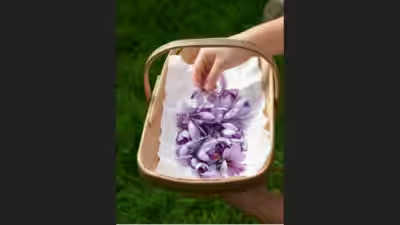
A Norfolk woman received 20 saffron corms as a birthday gift in 1997 and harvested just a teaspoon; 12 years later, she turned the experiment into a specialist spice business reviving the region’s 400-year-old saffron trade

A birthday gift of 20 saffron corms in 1997 led Norfolk botanist Sally Francis to establish a specialist spice business, Norfolk Saffron, in 2009. What began as a small experiment at her family’s farm near Burnham Market produced just a teaspoon of saffron in its first harvest. As the plants multiplied, Francis began selling the surplus at a local market, where it received an enthusiastic response. She subsequently turned the family’s saffron-growing efforts into a commercial venture, producing ISO 3632 Category I saffron and reviving a crop with a long history in Norfolk.

How a birthday saffron plant grew into a business in Norfolk

Francis’s interest in growing saffron began in 1997, when she asked her parents for a saffron plant for her birthday. She planted it at the family’s smallholding near Burnham Market, on the north coast of Norfolk. Her initial harvest produced just a teaspoon of saffron.The company’s official website provides further details about the beginning of the venture, stating that Francis’s mother, Jill, bought her 20 saffron corms as a birthday present. The plants multiplied over the years, and the family gradually began producing more saffron than they could use themselves. Francis initially shared the harvest with family and friends before taking the surplus to a local market in 2009.

How rural development funding helped Norfolk Saffron expand its production

The response to the saffron sold at the local market encouraged Francis to explore commercial production. By 2009, the family had accumulated enough saffron to establish Norfolk Saffron as a business. According to the company’s official account, Francis combined her knowledge of alternative crops with the farming experience of her late father, Edward, to develop the venture.The business was also supported by funding from the Rural Development Programme for England (RDPE), delivered through the Norfolk Coast and Broads Local Action Group. Norfolk Saffron subsequently developed into a commercial producer based at the family’s smallholding, which has been in their possession since 1934. The company describes itself as England’s leading commercial saffron producer.

How Francis discovered Norfolk’s 400-year history of saffron production

Francis’s research into saffron cultivation revealed that Norfolk had a history of producing the spice. National Geographic Traveller reported that around 400 years ago, the United Kingdom was an important saffron-producing region. Burnham Overy Staithe, a seaside port visible from the family’s field, had previously been used to export locally grown saffron to the Low Countries.The discovery revealed a historical connection between the region and a crop that is now more commonly associated with countries such as Iran, India, Spain and Greece. According to National Geographic, Francis was surprised to discover that she had inadvertently helped revive a long-established local industry. The company also highlights the history of saffron exports from north Norfolk ports and describes its production as bringing Norfolk-grown saffron back to the market.

How Norfolk’s dry climate helps the farm grow autumn-flowering saffron

Saffron comes from the purple-flowered saffron crocus, which has a growing cycle that differs from many other plants. Rather than flowering in spring or summer, the crocus produces flowers during autumn and winter before becoming dormant in summer. At Norfolk Saffron, harvesting takes place between October and November and generally lasts around four to six weeks.In an interview with National Geographic Traveller, Francis explained that the farm attempts to recreate the growing conditions of Crete as closely as possible using the conditions available in Norfolk. She also identified the county’s relatively dry climate as a factor in cultivation. Francis, who is a botanist, has not disclosed all the farming methods used by the business, describing some of them as commercially sensitive.

Why Francis starts harvesting saffron flowers as early as 7 am

The harvesting process involves collecting the largest flower buds, particularly those close to opening. According to National Geographic Traveller, Francis begins gathering flowers as early as 7 am during the harvest season. She explained that morning harvesting is important for the quality of the finished saffron.After collecting the flowers, Francis removes the stigmas, the parts of the flower used to produce saffron threads. Her mother, Jill, and her friend Mary help with this process, which involves carefully separating the stigmas by hand. The collected material is then placed in a specially made dryer before being prepared as saffron threads.

How Saffron achieves the highest ISO 3632 Category I quality rating

Norfolk Saffron states on its official website that its annual independent laboratory testing consistently confirms that its saffron meets ISO 3632 Category I, the highest international quality category for saffron. The company compares its product with premium Spanish saffron, including Mancha and Coupé grades, and Sargol-grade Iranian saffron.The business also highlights several features of its production, including the use of whole, intact saffron threads and saffron from the most recent harvest season. It attributes the characteristics of its product to its soil, coastal microclimate, harvesting practices and drying methods. The company also states that its saffron has zero air miles, is fully traceable and is produced in accordance with UK food hygiene regulations.

How an 18th-century saffron brioche recipe inspired Francis

Saffron is used in a range of dishes, including paellas, risottos, soups and ice creams. Francis told National Geographic Traveller that one of her personal favourites is saffron brioche, which she prepares using an 18th-century recipe. The recipe also provides a use for the broken saffron threads left over from the harvest.Norfolk Saffron operates from a smallholding of less than two acres, which is not open to visitors. Instead, the business sells its saffron through its online shop, alongside other products such as saffron flour and liqueurs. The company has also received several awards, including Great Taste Awards in different years, and was selected by the UK Government as one of its 50 Food Stars, recognising innovative food and drink businesses.From a birthday present in 1997 to the establishment of a specialist spice business in 2009, Francis’s venture has developed around saffron cultivation in a region with a historical connection to the crop. Norfolk Saffron continues to produce and sell locally grown saffron, drawing on the family’s farming background and its experience in cultivating the spice.


Source link

Related Articles

Leave a Reply

Your email address will not be published. Required fields are marked *

Back to top button
×
newsnation.aanest.com
Logo
Date of Publish : 15 November 2026, 2:23 pm Digital Edition : News nation
A Norfolk woman received 20 saffron corms as a birthday gift in 1997 and harvested just a teaspoon; 12 years later, she turned the experiment into a specialist spice business reviving the region’s 400-year-old saffron trade | World News

A birthday gift of 20 saffron corms in 1997 led Norfolk botanist Sally Francis to establish a specialist spice business, Norfolk Saffron, in 2009. What began as a small experiment at her family's farm near Burnham Market produced just a teaspoon of saffron in its first harvest. As the plants multiplied, Francis began selling the surplus at a local market, where it received an enthusiastic response. She subsequently turned the family’s saffron-growing efforts into a commercial venture, producing ISO 3632 Category I saffron and reviving a crop with a long history in Norfolk.How a birthday saffron plant grew into a business in NorfolkFrancis's interest in growing saffron began in 1997, when she asked her parents for a saffron plant for her birthday. She planted it at the family's smallholding near Burnham Market, on the north coast of Norfolk. Her initial harvest produced just a teaspoon of saffron.The company's official website provides further details about the beginning of the venture, stating that Francis's mother, Jill, bought her 20 saffron corms as a birthday present. The plants multiplied over the years, and the family gradually began producing more saffron than they could use themselves. Francis initially shared the harvest with family and friends before taking the surplus to a local market in 2009.How rural development funding helped Norfolk Saffron expand its productionThe response to the saffron sold at the local market encouraged Francis to explore commercial production. By 2009, the family had accumulated enough saffron to establish Norfolk Saffron as a business. According to the company's official account, Francis combined her knowledge of alternative crops with the farming experience of her late father, Edward, to develop the venture.The business was also supported by funding from the Rural Development Programme for England (RDPE), delivered through the Norfolk Coast and Broads Local Action Group. Norfolk Saffron subsequently developed into a commercial producer based at the family's smallholding, which has been in their possession since 1934. The company describes itself as England's leading commercial saffron producer.How Francis discovered Norfolk's 400-year history of saffron productionFrancis's research into saffron cultivation revealed that Norfolk had a history of producing the spice. National Geographic Traveller reported that around 400 years ago, the United Kingdom was an important saffron-producing region. Burnham Overy Staithe, a seaside port visible from the family's field, had previously been used to export locally grown saffron to the Low Countries.The discovery revealed a historical connection between the region and a crop that is now more commonly associated with countries such as Iran, India, Spain and Greece. According to National Geographic, Francis was surprised to discover that she had inadvertently helped revive a long-established local industry. The company also highlights the history of saffron exports from north Norfolk ports and describes its production as bringing Norfolk-grown saffron back to the market.How Norfolk's dry climate helps the farm grow autumn-flowering saffronSaffron comes from the purple-flowered saffron crocus, which has a growing cycle that differs from many other plants. Rather than flowering in spring or summer, the crocus produces flowers during autumn and winter before becoming dormant in summer. At Norfolk Saffron, harvesting takes place between October and November and generally lasts around four to six weeks.In an interview with National Geographic Traveller, Francis explained that the farm attempts to recreate the growing conditions of Crete as closely as possible using the conditions available in Norfolk. She also identified the county's relatively dry climate as a factor in cultivation. Francis, who is a botanist, has not disclosed all the farming methods used by the business, describing some of them as commercially sensitive.Why Francis starts harvesting saffron flowers as early as 7 amThe harvesting process involves collecting the largest flower buds, particularly those close to opening. According to National Geographic Traveller, Francis begins gathering flowers as early as 7 am during the harvest season. She explained that morning harvesting is important for the quality of the finished saffron.After collecting the flowers, Francis removes the stigmas, the parts of the flower used to produce saffron threads. Her mother, Jill, and her friend Mary help with this process, which involves carefully separating the stigmas by hand. The collected material is then placed in a specially made dryer before being prepared as saffron threads.How Saffron achieves the highest ISO 3632 Category I quality ratingNorfolk Saffron states on its official website that its annual independent laboratory testing consistently confirms that its saffron meets ISO 3632 Category I, the highest international quality category for saffron. The company compares its product with premium Spanish saffron, including Mancha and Coupé grades, and Sargol-grade Iranian saffron.The business also highlights several features of its production, including the use of whole, intact saffron threads and saffron from the most recent harvest season. It attributes the characteristics of its product to its soil, coastal microclimate, harvesting practices and drying methods. The company also states that its saffron has zero air miles, is fully traceable and is produced in accordance with UK food hygiene regulations.How an 18th-century saffron brioche recipe inspired FrancisSaffron is used in a range of dishes, including paellas, risottos, soups and ice creams. Francis told National Geographic Traveller that one of her personal favourites is saffron brioche, which she prepares using an 18th-century recipe. The recipe also provides a use for the broken saffron threads left over from the harvest.Norfolk Saffron operates from a smallholding of less than two acres, which is not open to visitors. Instead, the business sells its saffron through its online shop, alongside other products such as saffron flour and liqueurs. The company has also received several awards, including Great Taste Awards in different years, and was selected by the UK Government as one of its 50 Food Stars, recognising innovative food and drink businesses.From a birthday present in 1997 to the establishment of a specialist spice business in 2009, Francis's venture has developed around saffron cultivation in a region with a historical connection to the crop. Norfolk Saffron continues to produce and sell locally grown saffron, drawing on the family's farming background and its experience in cultivating the spice.

Source link