World

A Mississippi landlord claimed a couple running a youth sports nonprofit owed $99,468 after occupying property without a signed lease; a November 10 appeals court revived the suit without deciding whether they owed rent

A Mississippi landlord claimed a couple running a youth sports nonprofit owed $99,468 after occupying property without a signed lease; a November 10 appeals court revived the suit without deciding whether they owed rent
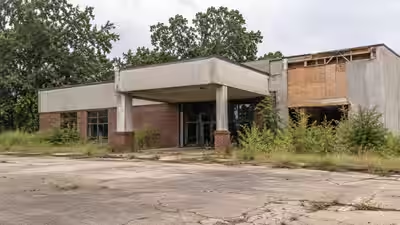
Mississippi court revives landlord’s $99,468 lawsuit over unpaid rent and repairs (Representational photo)

A Mississippi landlord can continue pursuing a $99,468 claim against a couple accused of failing to pay rent and carry out repairs at a property in Jackson. An appeals court has overturned the dismissal of the lawsuit, finding that the lower court went beyond what it had been asked to decide.The ruling delivered on November 10, does not establish that Thomas and Birdia Leonard owe the money. Instead, the Mississippi Court of Appeals has sent the dispute back to the county court, where the landlord’s claims will be examined further.According to the ruling, the case involves Amrut Patel and his company, Venture Investors LLC, which had leased a property at 5124 North State Street in Jackson to the Leonards. The disagreement arose over the terms of their rental arrangement, including payments and renovation work that the landlord said the couple had agreed to undertake.Venture maintained that the couple had taken possession of the premises after paying $4,000 but later failed to meet their financial and repair obligations. The Leonards disputed the claim, pointing out that they had never signed the proposed lease agreement.The disagreement eventually reached the courts, with Venture seeking compensation for alleged unpaid rent and unfinished work. Although the county court dismissed the landlord’s complaint, the appeals court found that the dismissal itself was not legally justified.

Couple took possession after initial $4,000 payment

The rental arrangement began with a letter of intent (LOI) setting out the proposed terms. The document required the Leonards to make an initial payment of $4,000. It also outlined a monthly rent of $3,500 for the later months of the proposed 36-month arrangement.The couple was also expected to spend $8,468 on renovations to the property. Birdia and Thomas Leonard signed the letter, but Venture Investors did not.There was another important condition in the document. It stated that the proposed arrangement would have no binding effect until both the landlord and tenants had signed a formal lease. That agreement was never completed, and the copy later submitted to the court also carried neither party’s signature.Venture said the couple nevertheless accepted the arrangement by making the initial payment and moving into the property. The company alleged that they subsequently failed to pay the agreed rent and complete the renovation work.The Leonards offered a different account of what happened after they took possession. In their response to the lawsuit, they acknowledged that an oral agreement existed but maintained that their $4,000 payment was a down payment.They also said they had tried to secure permission to repair the buildings. However, the City of Jackson did not issue the required permits because of code violations at the property.

Landlord calculated losses at $99,468

Venture claimed that the couple’s occupation of the property continued until November 2018. According to the company, they were supposed to start paying monthly rent of $3,500 from July 2018 and continue until August 2020.The landlord alleged that these payments were never made. It also said the promised renovation work remained incomplete and that the property had deteriorated because the couple failed to maintain it.Based on these allegations, Venture put its claimed losses at $91,000 in unpaid rent and $8,468 for repairs that were not completed. The combined amount came to $99,468.The company approached the county court seeking summary judgment, which would have allowed it to obtain a decision without a full trial.It submitted several records to support its position. These included the letter of intent, the unsigned lease, a $4,000 cashier’s cheque and receipts relating to work at the premises.Some receipts covered grass cutting, fence work and machinery rental. The company also produced documents connected to Pro-Way Youth Sports, the non-profit organisation started by the Leonards.Venture pointed to the organisation’s registration records, business address and other documents to support its claim that the couple intended to use the premises for youth sports activities. Birdia Leonard’s deposition also confirmed that she and Thomas had started the organisation together.The company argued that the couple had failed to fulfil their commitments and that the documents were sufficient to establish the breach.

County court dismissed landlord’s complaint

The Leonards opposed the request for summary judgment. Their main argument was that the parties had never signed a formal lease, meaning there was no binding written rental agreement.They also maintained that the absence of a signed agreement had prevented them from getting an opportunity to carry out the proposed repairs.The county court found that the documents presented by Venture did not establish a valid contract. It said the papers contained missing elements and inconsistencies that prevented them from being treated together as a binding agreement.The court also found insufficient evidence to support recovery under the competing unjust enrichment claims. It consequently dismissed Venture’s complaint.Venture challenged that decision before the Hinds County Circuit Court. However, the circuit court upheld the county court’s order, prompting the company to approach the appeals court.

Appeals court identifies problem with dismissal

The appeals court examined whether Venture had established enough evidence to obtain summary judgment on the basis of an oral agreement.It found that the company had relied heavily on the letter of intent to explain the alleged rental terms. But the document itself clearly stated that it was non-binding until a formal lease was signed by both parties.The judges also noted that Venture had not produced testimony or an affidavit explaining what the landlord and tenants had actually agreed to verbally.The fact that the Leonards had acknowledged an oral agreement did not, by itself, establish that they had accepted all the rental conditions claimed by Venture.The appeals court said a party seeking summary judgment over an alleged oral contract must provide some evidence of the actual verbal understanding. Venture had not done so. Its claim that the proposed terms could be inferred from the letter of intent was not enough.However, this did not mean the county court could dismiss the entire lawsuit. The judges drew a distinction between rejecting Venture’s request for summary judgment and deciding the case in favour of the Leonards. The couple had not filed their own request for summary judgment. They had only asked the court to reject the landlord’s application and allow the dispute to proceed.The appeals court said the county court should have stopped after finding that Venture had failed to establish grounds for summary judgment. It should not have dismissed the complaint when the defendants had not asked for that relief.The judges also referred to an earlier Mississippi ruling that cautioned against granting summary judgment to a party that had not sought it.The court therefore reversed the circuit court’s decision and the county court’s dismissal order. It remanded the matter to the county court for further proceedings on Venture’s breach of contract claims.


Source link

Related Articles

Leave a Reply

Your email address will not be published. Required fields are marked *

Back to top button
×
newsnation.aanest.com
Logo
Date of Publish : 12 November 2026, 8:48 pm Digital Edition : News nation
A Mississippi landlord claimed a couple running a youth sports nonprofit owed $99,468 after occupying property without a signed lease; a November 10 appeals court revived the suit without deciding whether they owed rent

Mississippi court revives landlord’s $99,468 lawsuit over unpaid rent and repairs (Representational photo) A Mississippi landlord can continue pursuing a $99,468 claim against a couple accused of failing to pay rent and carry out repairs at a property in Jackson. An appeals court has overturned the dismissal of the lawsuit, finding that the lower court went beyond what it had been asked to decide.The ruling delivered on November 10, does not establish that Thomas and Birdia Leonard owe the money. Instead, the Mississippi Court of Appeals has sent the dispute back to the county court, where the landlord's claims will be examined further.According to the ruling, the case involves Amrut Patel and his company, Venture Investors LLC, which had leased a property at 5124 North State Street in Jackson to the Leonards. The disagreement arose over the terms of their rental arrangement, including payments and renovation work that the landlord said the couple had agreed to undertake.Venture maintained that the couple had taken possession of the premises after paying $4,000 but later failed to meet their financial and repair obligations. The Leonards disputed the claim, pointing out that they had never signed the proposed lease agreement.The disagreement eventually reached the courts, with Venture seeking compensation for alleged unpaid rent and unfinished work. Although the county court dismissed the landlord's complaint, the appeals court found that the dismissal itself was not legally justified.Couple took possession after initial $4,000 paymentThe rental arrangement began with a letter of intent (LOI) setting out the proposed terms. The document required the Leonards to make an initial payment of $4,000. It also outlined a monthly rent of $3,500 for the later months of the proposed 36-month arrangement.The couple was also expected to spend $8,468 on renovations to the property. Birdia and Thomas Leonard signed the letter, but Venture Investors did not.There was another important condition in the document. It stated that the proposed arrangement would have no binding effect until both the landlord and tenants had signed a formal lease. That agreement was never completed, and the copy later submitted to the court also carried neither party's signature.Venture said the couple nevertheless accepted the arrangement by making the initial payment and moving into the property. The company alleged that they subsequently failed to pay the agreed rent and complete the renovation work.The Leonards offered a different account of what happened after they took possession. In their response to the lawsuit, they acknowledged that an oral agreement existed but maintained that their $4,000 payment was a down payment.They also said they had tried to secure permission to repair the buildings. However, the City of Jackson did not issue the required permits because of code violations at the property.Landlord calculated losses at $99,468Venture claimed that the couple's occupation of the property continued until November 2018. According to the company, they were supposed to start paying monthly rent of $3,500 from July 2018 and continue until August 2020.The landlord alleged that these payments were never made. It also said the promised renovation work remained incomplete and that the property had deteriorated because the couple failed to maintain it.Based on these allegations, Venture put its claimed losses at $91,000 in unpaid rent and $8,468 for repairs that were not completed. The combined amount came to $99,468.The company approached the county court seeking summary judgment, which would have allowed it to obtain a decision without a full trial.It submitted several records to support its position. These included the letter of intent, the unsigned lease, a $4,000 cashier's cheque and receipts relating to work at the premises.Some receipts covered grass cutting, fence work and machinery rental. The company also produced documents connected to Pro-Way Youth Sports, the non-profit organisation started by the Leonards.Venture pointed to the organisation's registration records, business address and other documents to support its claim that the couple intended to use the premises for youth sports activities. Birdia Leonard's deposition also confirmed that she and Thomas had started the organisation together.The company argued that the couple had failed to fulfil their commitments and that the documents were sufficient to establish the breach.County court dismissed landlord's complaintThe Leonards opposed the request for summary judgment. Their main argument was that the parties had never signed a formal lease, meaning there was no binding written rental agreement.They also maintained that the absence of a signed agreement had prevented them from getting an opportunity to carry out the proposed repairs.The county court found that the documents presented by Venture did not establish a valid contract. It said the papers contained missing elements and inconsistencies that prevented them from being treated together as a binding agreement.The court also found insufficient evidence to support recovery under the competing unjust enrichment claims. It consequently dismissed Venture's complaint.Venture challenged that decision before the Hinds County Circuit Court. However, the circuit court upheld the county court's order, prompting the company to approach the appeals court.Appeals court identifies problem with dismissalThe appeals court examined whether Venture had established enough evidence to obtain summary judgment on the basis of an oral agreement.It found that the company had relied heavily on the letter of intent to explain the alleged rental terms. But the document itself clearly stated that it was non-binding until a formal lease was signed by both parties.The judges also noted that Venture had not produced testimony or an affidavit explaining what the landlord and tenants had actually agreed to verbally.The fact that the Leonards had acknowledged an oral agreement did not, by itself, establish that they had accepted all the rental conditions claimed by Venture.The appeals court said a party seeking summary judgment over an alleged oral contract must provide some evidence of the actual verbal understanding. Venture had not done so. Its claim that the proposed terms could be inferred from the letter of intent was not enough.However, this did not mean the county court could dismiss the entire lawsuit. The judges drew a distinction between rejecting Venture's request for summary judgment and deciding the case in favour of the Leonards. The couple had not filed their own request for summary judgment. They had only asked the court to reject the landlord's application and allow the dispute to proceed.The appeals court said the county court should have stopped after finding that Venture had failed to establish grounds for summary judgment. It should not have dismissed the complaint when the defendants had not asked for that relief.The judges also referred to an earlier Mississippi ruling that cautioned against granting summary judgment to a party that had not sought it.The court therefore reversed the circuit court's decision and the county court's dismissal order. It remanded the matter to the county court for further proceedings on Venture's breach of contract claims.

Source link