World

A giant 18-metre warehouse built metres from homes in a quiet English village has left residents fighting noise and fearing lost property value; they have raised £78,000 to challenge round-the-clock truck plans

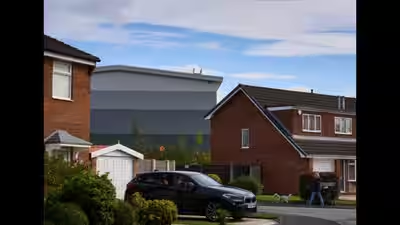
A giant 18-metre warehouse built metres from homes in a quiet English village has left residents fighting noise and fearing lost property value; they have raised £78,000 to challenge round-the-clock truck plans

Residents of Astley, a village in Greater Manchester, are preparing to challenge the proposed expansion of heavy vehicle operations at warehouse complex that has transformed their once-quiet neighbourhood. The dispute, reported by The Guardian, Wigan Today and planning publication Planning Geek, centres on an 18-metre-high distribution warehouse operated by logistics company Whistl, with residents raising £78,000 to fund legal representation at a public inquiry scheduled for November 10 and 11. The controversy has intensified since Whistl began operating from the site in July 2026. Residents say the constant movement of heavy goods vehicles, loading activity and machinery has disrupted their sleep and made parts of their homes and gardens difficult to enjoy. The warehouse, located at Astley Business Park, is among four large industrial structures built close to residential properties. Some sections of the development stand approximately 30 metres from nearby homes, leaving residents concerned about the scale of industrial activity taking place alongside their neighbourhood. The upcoming hearing will examine Whistl’s application to operate up to 60 heavy goods vehicles (HGVs) and 95 trailers from the site. According to regional reporting, 131 individuals representing 96 properties have lodged valid objections. The proceedings will be overseen by the Traffic Commissioner for the North West of England.

Residents raise concerns over noise and living conditions

The arrival of round-the-clock warehouse operations has become a major source of frustration for people living nearby. Residents have reported repeated vehicle movements, banging sounds and a persistent background hum, with some describing difficulties sleeping through the night.Former police detective Stephen Retford, who lives close to the warehouse, has documented overnight vehicle activity and commissioned an independent acoustic assessment to investigate the noise levels. Several households have also raised concerns about the impact on their mental well-being and their ability to enjoy their properties. The development has particularly affected families living close to the industrial complex. Some residents have reported that children are reluctant to use their bedrooms or gardens because of the noise and the imposing structure outside their windows.There are also growing concerns about property values. Residents fear that the proximity of the warehouse and the disruption associated with its operations could make their homes harder to sell. One household reportedly received a valuation significantly lower than its previous estimate, adding to concerns about the financial consequences of the development.

How the warehouse dispute escalated

The industrial development has been controversial since its construction began. According to Wigan Council, the land had been designated for employment-related development since 2006. An outline planning application covering residential and commercial uses was approved in 2017, while full planning permission for the warehouse development was granted in 2024.The council commissioned an independent review of the planning process after residents raised concerns about how the project had been approved. Its findings concluded that the planning decision followed the relevant legal procedures, although the council acknowledged that there were lessons to be learned regarding transparency and community engagement. The landowner, PLP, has disputed claims that the scale of the buildings changed from the plans submitted in 2023.Wigan Council has also continued discussions with residents, the landowner and Whistl. Its September update confirmed that officials had conducted site visits, investigated complaints and requested further information about measures such as acoustic fencing, landscaping and earth bunding.

Whistl introduces measures to reduce disruption

Whistl has acknowledged that its initial operations affected nearby residents, particularly through nighttime noise. In response, the company agreed to pause outdoor yard operations between midnight and 6am while it works on longer-term noise reduction measures.The company has also introduced quieter electric vehicles, including an electric shunter for moving trailers, and installed noise-monitoring equipment to identify disturbances. Nighttime refuelling has been stopped, and fuel tankers are no longer permitted to access the site overnight.In a statement published on November 9, Whistl said it had taken additional steps to address residents’ concerns and was continuing to work with Wigan Council and PLP. It also confirmed that mail and parcel processing would continue inside the warehouse during the overnight pause in yard activity. The company maintains that it has operated within the conditions of its temporary operator’s licence since beginning transport operations in July.The November inquiry, however, is specifically concerned with the company’s vehicle operating arrangements and the suitability of the proposed operating centre. It is not a fresh planning appeal and will not determine whether the warehouse’s original planning permission was lawful. For residents, the proceedings represent an opportunity to have their objections formally considered and potentially secure restrictions on the scale and timing of vehicle movements. The wider dispute over noise mitigation and compliance with planning conditions remains a separate matter for Wigan Council.


Source link

Related Articles

Leave a Reply

Your email address will not be published. Required fields are marked *

Back to top button
×
newsnation.aanest.com
Logo
Date of Publish : 11 November 2026, 4:29 pm Digital Edition : News nation
A giant 18-metre warehouse built metres from homes in a quiet English village has left residents fighting noise and fearing lost property value; they have raised £78,000 to challenge round-the-clock truck plans

Residents of Astley, a village in Greater Manchester, are preparing to challenge the proposed expansion of heavy vehicle operations at warehouse complex that has transformed their once-quiet neighbourhood. The dispute, reported by The Guardian, Wigan Today and planning publication Planning Geek, centres on an 18-metre-high distribution warehouse operated by logistics company Whistl, with residents raising £78,000 to fund legal representation at a public inquiry scheduled for November 10 and 11. The controversy has intensified since Whistl began operating from the site in July 2026. Residents say the constant movement of heavy goods vehicles, loading activity and machinery has disrupted their sleep and made parts of their homes and gardens difficult to enjoy. The warehouse, located at Astley Business Park, is among four large industrial structures built close to residential properties. Some sections of the development stand approximately 30 metres from nearby homes, leaving residents concerned about the scale of industrial activity taking place alongside their neighbourhood. The upcoming hearing will examine Whistl’s application to operate up to 60 heavy goods vehicles (HGVs) and 95 trailers from the site. According to regional reporting, 131 individuals representing 96 properties have lodged valid objections. The proceedings will be overseen by the Traffic Commissioner for the North West of England.Residents raise concerns over noise and living conditionsThe arrival of round-the-clock warehouse operations has become a major source of frustration for people living nearby. Residents have reported repeated vehicle movements, banging sounds and a persistent background hum, with some describing difficulties sleeping through the night.Former police detective Stephen Retford, who lives close to the warehouse, has documented overnight vehicle activity and commissioned an independent acoustic assessment to investigate the noise levels. Several households have also raised concerns about the impact on their mental well-being and their ability to enjoy their properties. The development has particularly affected families living close to the industrial complex. Some residents have reported that children are reluctant to use their bedrooms or gardens because of the noise and the imposing structure outside their windows.There are also growing concerns about property values. Residents fear that the proximity of the warehouse and the disruption associated with its operations could make their homes harder to sell. One household reportedly received a valuation significantly lower than its previous estimate, adding to concerns about the financial consequences of the development.How the warehouse dispute escalatedThe industrial development has been controversial since its construction began. According to Wigan Council, the land had been designated for employment-related development since 2006. An outline planning application covering residential and commercial uses was approved in 2017, while full planning permission for the warehouse development was granted in 2024.The council commissioned an independent review of the planning process after residents raised concerns about how the project had been approved. Its findings concluded that the planning decision followed the relevant legal procedures, although the council acknowledged that there were lessons to be learned regarding transparency and community engagement. The landowner, PLP, has disputed claims that the scale of the buildings changed from the plans submitted in 2023.Wigan Council has also continued discussions with residents, the landowner and Whistl. Its September update confirmed that officials had conducted site visits, investigated complaints and requested further information about measures such as acoustic fencing, landscaping and earth bunding.Whistl introduces measures to reduce disruptionWhistl has acknowledged that its initial operations affected nearby residents, particularly through nighttime noise. In response, the company agreed to pause outdoor yard operations between midnight and 6am while it works on longer-term noise reduction measures.The company has also introduced quieter electric vehicles, including an electric shunter for moving trailers, and installed noise-monitoring equipment to identify disturbances. Nighttime refuelling has been stopped, and fuel tankers are no longer permitted to access the site overnight.In a statement published on November 9, Whistl said it had taken additional steps to address residents’ concerns and was continuing to work with Wigan Council and PLP. It also confirmed that mail and parcel processing would continue inside the warehouse during the overnight pause in yard activity. The company maintains that it has operated within the conditions of its temporary operator’s licence since beginning transport operations in July.The November inquiry, however, is specifically concerned with the company’s vehicle operating arrangements and the suitability of the proposed operating centre. It is not a fresh planning appeal and will not determine whether the warehouse’s original planning permission was lawful. For residents, the proceedings represent an opportunity to have their objections formally considered and potentially secure restrictions on the scale and timing of vehicle movements. The wider dispute over noise mitigation and compliance with planning conditions remains a separate matter for Wigan Council.

Source link