
World

A federal judge permanently blocks part of Trump’s International Criminal Court sanctions order, protecting Americans who submit evidence or provide speech-based advocacy to sanctioned groups nationwide

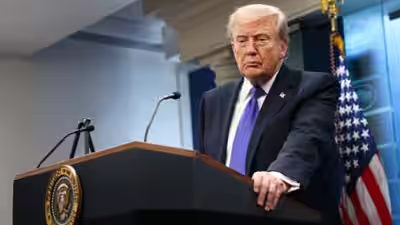
A federal judge permanently blocks part of Trump's International Criminal Court sanctions order, protecting Americans who submit evidence or provide speech-based advocacy to sanctioned groups nationwide

A federal judge has permanently barred the Trump administration from using part of its sanctions order against the International Criminal Court (ICC) to punish Americans for providing speech-based services to sanctioned individuals and organisations, extending the protection nationwide.The ruling, issued by US District Judge Jesse M Furman of the Southern District of New York on November 23, 2026, marks a significant First Amendment challenge to President Donald Trump’s sanctions policy against the ICC. It protects Americans who submit evidence to the court, conduct research, publish material or provide other speech-related assistance to sanctioned groups and individuals. The plaintiffs are DAWN, the Taxpayer Alliance Against Genocide (TAAG), and two individuals, Tarik Kanaana and William Doares. The case is Democracy for the Arab World Now, Inc. v. Trump, No. 26-cv-5957.The lawsuit challenged Executive Order 14203, signed by Trump in February 2025, which authorised sanctions against people connected to the ICC. The order was issued after the court pursued investigations and actions involving individuals from the US and Israel. It declared a national emergency over what the administration described as the ICC’s improper actions and sought to restrict assistance to those targeted by the sanctions.A key provision of the order prohibits providing or receiving “services” by, to or for the benefit of anyone designated under the sanctions programme. Violations of the sanctions framework can carry civil and criminal penalties under the International Emergency Economic Powers Act (IEEPA). The plaintiffs argued that the services prohibition could prevent them from carrying out research, submitting evidence, publishing material and collaborating with others on matters related to the ICC.In his November 23 opinion, Furman held that the prohibition, when applied to speech-based services, amounted to a content-based restriction on speech. Such restrictions are subject to strict scrutiny, a demanding legal standard under which the government must demonstrate that a restriction is narrowly tailored to serve a compelling interest. The judge found that the administration had not shown that penalising all speech-based services was necessary to achieve its stated national security and foreign policy objectives. The government’s arguments, he said, did not establish why every form of speech-related assistance to sanctioned individuals needed to be prohibited.The ruling follows an earlier preliminary injunction issued on October 13, which had protected the plaintiffs themselves. The November decision went further with Furman concluding that the services prohibition was facially invalid to the extent that it covered speech-based services and that the injunction should extend to anyone providing or receiving such services.The judge reasoned that restricting speech-related assistance could deter people from participating in public debate or supporting legal and human rights work, even if they were not directly involved in the lawsuit. The broader protection, he said, was necessary to address the chilling effect created by the threat of penalties.However, the decision does not overturn Trump’s sanctions order in its entirety. The government retains the authority to designate individuals under the executive order and to enforce restrictions on the provision of funds, goods and non-expressive services. The court specifically noted that financial services, such as banking, brokerage and insurance, could remain subject to the prohibition where they do not involve protected speech.The ruling also does not remove sanctions already imposed on ICC officials or other designated individuals. Instead, it limits the government’s ability to use the services prohibition to penalise constitutionally protected speech and advocacy connected with those individuals or organisations. Trump himself is excluded from the injunction, according to the court order. The judge directed the parties to submit an agreed proposed judgment, or competing versions if they could not agree, by December 1.The case adds to a series of legal challenges against the administration’s sanctions policy targeting the ICC. In an earlier case, Rona v. Trump, another federal judge in the Southern District of New York blocked enforcement of the services prohibition against two law professors whose work involved speech and advocacy related to the court. Furman relied in part on that ruling in reaching his decision.For DAWN and TAAG, the permanent injunction is a victory for their ability to continue working with the ICC and other sanctioned entities without facing penalties for speech-based activities. The ruling also establishes a broader nationwide safeguard for Americans engaging in similar forms of advocacy, research and evidence-sharing.


Source link

Related Articles

Leave a Reply

Your email address will not be published. Required fields are marked *

Back to top button
×
newsnation.aanest.com
Logo
Date of Publish : 26 November 2026, 11:13 am Digital Edition : News nation
A federal judge permanently blocks part of Trump’s International Criminal Court sanctions order, protecting Americans who submit evidence or provide speech-based advocacy to sanctioned groups nationwide

A federal judge has permanently barred the Trump administration from using part of its sanctions order against the International Criminal Court (ICC) to punish Americans for providing speech-based services to sanctioned individuals and organisations, extending the protection nationwide.The ruling, issued by US District Judge Jesse M Furman of the Southern District of New York on November 23, 2026, marks a significant First Amendment challenge to President Donald Trump’s sanctions policy against the ICC. It protects Americans who submit evidence to the court, conduct research, publish material or provide other speech-related assistance to sanctioned groups and individuals. The plaintiffs are DAWN, the Taxpayer Alliance Against Genocide (TAAG), and two individuals, Tarik Kanaana and William Doares. The case is Democracy for the Arab World Now, Inc. v. Trump, No. 26-cv-5957.The lawsuit challenged Executive Order 14203, signed by Trump in February 2025, which authorised sanctions against people connected to the ICC. The order was issued after the court pursued investigations and actions involving individuals from the US and Israel. It declared a national emergency over what the administration described as the ICC’s improper actions and sought to restrict assistance to those targeted by the sanctions.A key provision of the order prohibits providing or receiving “services” by, to or for the benefit of anyone designated under the sanctions programme. Violations of the sanctions framework can carry civil and criminal penalties under the International Emergency Economic Powers Act (IEEPA). The plaintiffs argued that the services prohibition could prevent them from carrying out research, submitting evidence, publishing material and collaborating with others on matters related to the ICC.In his November 23 opinion, Furman held that the prohibition, when applied to speech-based services, amounted to a content-based restriction on speech. Such restrictions are subject to strict scrutiny, a demanding legal standard under which the government must demonstrate that a restriction is narrowly tailored to serve a compelling interest. The judge found that the administration had not shown that penalising all speech-based services was necessary to achieve its stated national security and foreign policy objectives. The government’s arguments, he said, did not establish why every form of speech-related assistance to sanctioned individuals needed to be prohibited.The ruling follows an earlier preliminary injunction issued on October 13, which had protected the plaintiffs themselves. The November decision went further with Furman concluding that the services prohibition was facially invalid to the extent that it covered speech-based services and that the injunction should extend to anyone providing or receiving such services.The judge reasoned that restricting speech-related assistance could deter people from participating in public debate or supporting legal and human rights work, even if they were not directly involved in the lawsuit. The broader protection, he said, was necessary to address the chilling effect created by the threat of penalties.However, the decision does not overturn Trump’s sanctions order in its entirety. The government retains the authority to designate individuals under the executive order and to enforce restrictions on the provision of funds, goods and non-expressive services. The court specifically noted that financial services, such as banking, brokerage and insurance, could remain subject to the prohibition where they do not involve protected speech.The ruling also does not remove sanctions already imposed on ICC officials or other designated individuals. Instead, it limits the government’s ability to use the services prohibition to penalise constitutionally protected speech and advocacy connected with those individuals or organisations. Trump himself is excluded from the injunction, according to the court order. The judge directed the parties to submit an agreed proposed judgment, or competing versions if they could not agree, by December 1.The case adds to a series of legal challenges against the administration’s sanctions policy targeting the ICC. In an earlier case, Rona v. Trump, another federal judge in the Southern District of New York blocked enforcement of the services prohibition against two law professors whose work involved speech and advocacy related to the court. Furman relied in part on that ruling in reaching his decision.For DAWN and TAAG, the permanent injunction is a victory for their ability to continue working with the ICC and other sanctioned entities without facing penalties for speech-based activities. The ruling also establishes a broader nationwide safeguard for Americans engaging in similar forms of advocacy, research and evidence-sharing.

Source link