World

In 2006, a Baltimore developer promised to transform Poppleton into a new urban district; 20 years later, residents face a failed redevelopment and a Supreme Court refusal to hear their case

In 2006, a Baltimore developer promised to transform Poppleton into a new urban district; 20 years later, residents face a failed redevelopment and a Supreme Court refusal to hear their case

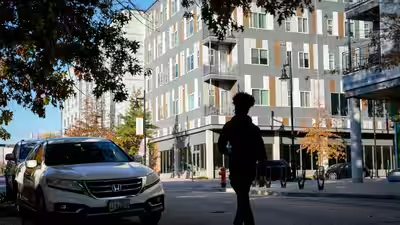
A two-decade redevelopment plan intended to reshape one of Baltimore’s historic neighbourhoods has become the centre of a prolonged legal and community dispute, with little of the promised transformation materialising. Residents of Poppleton, a neighbourhood in West Baltimore, have now exhausted their latest legal option after the US Supreme Court declined to hear their challenge against the city and New York-based developer La Cité Development. The decision, reported by The Baltimore Banner and The Baltimore Sun on November 9, 2026, brings a two-year federal court battle to an end. The residents had challenged a redevelopment arrangement that relied on the city’s eminent domain powers to acquire hundreds of properties, arguing that the project had caused lasting damage to the neighbourhood without delivering the promised public benefits. Much of the land cleared for the development remains vacant, while the developer has completed only a limited portion of the original proposal. For residents who stayed behind, the stalled project has meant living alongside empty plots and unfinished promises for years.

A sweeping vision that never materialised

The redevelopment agreement dates back to September 2006, when Baltimore City entered into a deal with La Cité to transform approximately 13.8 acres of Poppleton into a mixed residential and commercial district. The ambitious proposal included around 1,650 housing units, including apartments, condominiums and homes, alongside approximately 100,000 square feet of commercial space. The plan was expected to bring new businesses, retail outlets and a grocery store to the neighbourhood.To make the development possible, the city agreed to acquire properties within the designated area, using eminent domain where necessary. More than 500 homes were included in the redevelopment footprint, with many residents displaced as buildings were acquired and demolished.However, the project encountered repeated delays, financial difficulties and disagreements between the developer and the city. Baltimore attempted to terminate the agreement in 2012, but La Cité challenged the move in court and retained its development rights. The agreement was subsequently amended several times in an effort to revive the project.A major financial commitment followed in 2015, when the developer received approval for approximately $58 million in tax increment financing to support redevelopment and infrastructure work. Despite these measures, construction progressed slowly. The first major residential development, CenterWest, eventually opened in 2019 after delays caused by water damage. The apartment complex, comprising two buildings and approximately 262 rental units, remains the principal completed residential component of the larger redevelopment plan.

A grocery store and wider redevelopment remain elusive

The gap between the original vision and what exists today has become increasingly difficult for residents to ignore. The promised grocery store never opened, while large portions of the cleared land remain undeveloped. Earlier in 2026, Maryland lawmakers redirected a $500,000 state grant originally intended to support a grocery store in Poppleton to Open Works Baltimore, a nonprofit organisation planning to establish another makerspace location in West Baltimore.The development’s prolonged stagnation has also raised concerns about the impact on residents who continue to own property in the surrounding neighbourhood. The absence of promised commercial facilities and the presence of large vacant areas have become central to complaints about the project’s consequences. The University of Maryland, Baltimore County’s Baltimore Traces project, which documents Poppleton’s history and redevelopment, has also highlighted how decades of urban renewal, demolition and displacement have shaped the neighbourhood.

Why the residents took the fight to court

In 2024, the Poppleton Now Community Association and six residents filed a federal lawsuit against La Cité, the city and other officials involved in the redevelopment. Their central argument was that the use of eminent domain to acquire neighbouring properties had served private development interests rather than a genuine public purpose. They also maintained that the stalled project had harmed the surrounding community, including by affecting property values and leaving residents exposed to the consequences of prolonged redevelopment.A federal district court dismissed their claims in June 2025. The residents subsequently appealed to the US Court of Appeals for the Fourth Circuit. In May 2026, the appeals court upheld the dismissal of the central claims, finding that the residents could not bring a constitutional takings claim over properties that belonged to their neighbours rather than themselves. It also ruled that their private nuisance claim did not establish a valid basis for relief under the arguments presented.The residents then petitioned the US Supreme Court to review the dispute. However, on November 9, the court declined to take up the case, leaving the lower courts’ outcome in place. For Poppleton residents, the decision closes another chapter in a long-running struggle over redevelopment, displacement and accountability. While the legal battle has ended at the federal level, the larger question of what happens to the neighbourhood and its remaining vacant land remains unresolved.


Source link

Related Articles

Leave a Reply

Your email address will not be published. Required fields are marked *

Back to top button
×
newsnation.aanest.com
Logo
Date of Publish : 14 November 2026, 3:32 pm Digital Edition : News nation
In 2006, a Baltimore developer promised to transform Poppleton into a new urban district; 20 years later, residents face a failed redevelopment and a Supreme Court refusal to hear their case

A two-decade redevelopment plan intended to reshape one of Baltimore's historic neighbourhoods has become the centre of a prolonged legal and community dispute, with little of the promised transformation materialising. Residents of Poppleton, a neighbourhood in West Baltimore, have now exhausted their latest legal option after the US Supreme Court declined to hear their challenge against the city and New York-based developer La Cité Development. The decision, reported by The Baltimore Banner and The Baltimore Sun on November 9, 2026, brings a two-year federal court battle to an end. The residents had challenged a redevelopment arrangement that relied on the city's eminent domain powers to acquire hundreds of properties, arguing that the project had caused lasting damage to the neighbourhood without delivering the promised public benefits. Much of the land cleared for the development remains vacant, while the developer has completed only a limited portion of the original proposal. For residents who stayed behind, the stalled project has meant living alongside empty plots and unfinished promises for years.A sweeping vision that never materialisedThe redevelopment agreement dates back to September 2006, when Baltimore City entered into a deal with La Cité to transform approximately 13.8 acres of Poppleton into a mixed residential and commercial district. The ambitious proposal included around 1,650 housing units, including apartments, condominiums and homes, alongside approximately 100,000 square feet of commercial space. The plan was expected to bring new businesses, retail outlets and a grocery store to the neighbourhood.To make the development possible, the city agreed to acquire properties within the designated area, using eminent domain where necessary. More than 500 homes were included in the redevelopment footprint, with many residents displaced as buildings were acquired and demolished.However, the project encountered repeated delays, financial difficulties and disagreements between the developer and the city. Baltimore attempted to terminate the agreement in 2012, but La Cité challenged the move in court and retained its development rights. The agreement was subsequently amended several times in an effort to revive the project.A major financial commitment followed in 2015, when the developer received approval for approximately $58 million in tax increment financing to support redevelopment and infrastructure work. Despite these measures, construction progressed slowly. The first major residential development, CenterWest, eventually opened in 2019 after delays caused by water damage. The apartment complex, comprising two buildings and approximately 262 rental units, remains the principal completed residential component of the larger redevelopment plan.A grocery store and wider redevelopment remain elusiveThe gap between the original vision and what exists today has become increasingly difficult for residents to ignore. The promised grocery store never opened, while large portions of the cleared land remain undeveloped. Earlier in 2026, Maryland lawmakers redirected a $500,000 state grant originally intended to support a grocery store in Poppleton to Open Works Baltimore, a nonprofit organisation planning to establish another makerspace location in West Baltimore.The development's prolonged stagnation has also raised concerns about the impact on residents who continue to own property in the surrounding neighbourhood. The absence of promised commercial facilities and the presence of large vacant areas have become central to complaints about the project's consequences. The University of Maryland, Baltimore County's Baltimore Traces project, which documents Poppleton's history and redevelopment, has also highlighted how decades of urban renewal, demolition and displacement have shaped the neighbourhood.Why the residents took the fight to courtIn 2024, the Poppleton Now Community Association and six residents filed a federal lawsuit against La Cité, the city and other officials involved in the redevelopment. Their central argument was that the use of eminent domain to acquire neighbouring properties had served private development interests rather than a genuine public purpose. They also maintained that the stalled project had harmed the surrounding community, including by affecting property values and leaving residents exposed to the consequences of prolonged redevelopment.A federal district court dismissed their claims in June 2025. The residents subsequently appealed to the US Court of Appeals for the Fourth Circuit. In May 2026, the appeals court upheld the dismissal of the central claims, finding that the residents could not bring a constitutional takings claim over properties that belonged to their neighbours rather than themselves. It also ruled that their private nuisance claim did not establish a valid basis for relief under the arguments presented.The residents then petitioned the US Supreme Court to review the dispute. However, on November 9, the court declined to take up the case, leaving the lower courts' outcome in place. For Poppleton residents, the decision closes another chapter in a long-running struggle over redevelopment, displacement and accountability. While the legal battle has ended at the federal level, the larger question of what happens to the neighbourhood and its remaining vacant land remains unresolved.

Source link