
World

In 2016, a Michigan business redirected runoff into the home next door, flooding its basement and burning out five sump-pump motors; a November 2026 appeals ruling reduced the owner’s damages from $170,000 to $102,000

In 2016, a Michigan business redirected runoff into the home next door, flooding its basement and burning out five sump-pump motors; a November 2026 appeals ruling reduced the owner's damages from $170,000 to $102,000
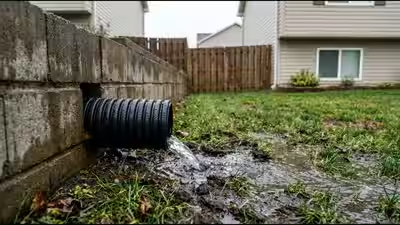
The excess runoff left the couple’s yard saturated and caused water to collect around the garage (AI image)

The Michigan Court of Appeals has reduced damages awarded to a homeowner to $102,000 after a neighbouring business’s drainage changes sent excess rainwater onto her property, causing repeated basement flooding and damage to her house and garage. In a ruling issued Thursday, the court upheld the business’s liability but revised the earlier $170,000 award after correcting the calculation of repair costs. The dispute involved homeowner Sherilyn Hart and North Waverly LLC, which owned the commercial property next to her home.According to the judgment, Hart and her husband, Anthony McCarty, bought the residential property in 2013. They planned to renovate it and rent it out, while living in their primary home next door. North Waverly LLC bought the commercial property immediately south of their house in 2015.The couple said they had not experienced excess water or flooding before May 2016. The problem began after the business changed its drainage system and connected its downspouts to two long, uncapped plastic pipes. One pipe discharged water directly onto Hart’s property, while the other released water below ground near the boundary between the properties.McCarty raised the issue with North Waverly’s managing member, Eric Stevenson. Stevenson told him the arrangement was temporary and that the pipe would be moved under the parking lot. McCarty warned him that heavy rain would cause water to collect on their property.The front pipe, however, remained in place for nearly six years, until 2021. The couple said their repeated attempts to contact Stevenson later went unanswered.

Flooding damaged the house and garage

The excess runoff left the couple’s yard saturated and caused water to collect around the garage and the eastern wall of the house. Water also entered the basement, damaging equipment and parts of the property.The eastern basement wall began bowing inward and eventually slid off its sill. The house had to be raised, and the wall was replaced in 2021. The north and south basement walls also needed repairs.The couple reported cracks in the plaster throughout the house, a roof leak that required drywall work and reroofing, and damage to the concrete driveway pad. They said the pad shifted and had to be reset using a skid steer.Basement flooding also ruined a new furnace, central air-conditioning unit and gas water heater. McCarty said five sump-pump motors burned out between 2016 and 2023. The homeowner’s insurance did not cover the damage.McCarty estimated that repairs to the house would cost between $60,000 and $65,000. The estimate did not include most repairs to the garage. The records also contained bills for basement wall and sewer work, roofing, equipment rental, drywall and insulation, and a replacement water heater.

Couple tried several ways to stop the water

The couple contacted Stevenson and approached township and county officials about the problem. McCarty also contacted the Environmental Protection Agency in 2019.In 2018, he rented earth-moving equipment, dug a trench, installed a larger sump line and a commercial pump, and regraded the backyard. These measures were intended to manage the water collecting around the property.In June 2020, McCarty capped both collector pipes. He kept them covered for about 11 months, during which the soil gradually dried. After the caps were removed, he built a system in 2021 to carry the water back to the business’s property. It used a sump crock and a PVC pipe that directed water over the retaining wall towards the commercial parking lot and storm drain.The system worked for about 90 days, and the soil dried within a week. However, the township issued a violation notice, and the couple removed it in early December 2021.The township had also issued a code violation to North Waverly in June or July 2021 over the condition of the retaining wall and the concentrated discharge of water. The business rebuilt the eastern retaining wall that year and buried the pipes in pea gravel near the property boundary.In 2023, it changed the pipe outlets again, placing them about four feet south of the boundary in a stone-filled drainage system. McCarty said this reduced the runoff and stopped further problems with the front pipe.

Appeals court revises compensation

Hart and McCarty filed a lawsuit in 2022, accusing the business of trespassing and creating a nuisance through the excess water. The business denied liability and filed a counterclaim over part of the retaining wall that it said encroached on its property.After a four-day trial, the circuit court found that North Waverly’s drainage changes had created unnatural and excessive runoff. It held the business responsible for trespass and nuisance and found that the water had caused substantial damage.The trial court initially awarded $150,000 for economic losses, $50,000 for emotional distress and mental anguish, and $40,000 in attorney fees. It later removed the attorney fees and reduced the economic damages by 20%, leaving a total award of $170,000.The appeals court upheld the findings of trespass and nuisance. However, it found that the trial court had miscalculated the repair costs. The court said the estimate of $60,000 to $65,000 covered repairs to the house, rather than the garage as the trial court had stated. It also found that some individual expenses appeared to have been counted more than once.The appeals court considered $65,000 a fair estimate of the economic damage. After applying the 20% reduction for the homeowner’s share of responsibility, it set the amount at $52,000.The court also upheld the $50,000 award for emotional distress under the nuisance claim. It said the couple had faced nearly seven years of interference with their use and enjoyment of the property. Their exhaustion and loss of motivation to complete the renovation and rent out the house were among the reasons supporting the award.The court did not allow emotional distress damages under the separate trespass claim. It also rejected the business’s adverse-possession counterclaim, finding that it had not established the required 15-year period of possession.


Source link

Related Articles

Leave a Reply

Your email address will not be published. Required fields are marked *

Back to top button
×
newsnation.aanest.com
Logo
Date of Publish : 10 November 2026, 12:29 pm Digital Edition : News nation
In 2016, a Michigan business redirected runoff into the home next door, flooding its basement and burning out five sump-pump motors; a November 2026 appeals ruling reduced the owner’s damages from $170,000 to $102,000

The excess runoff left the couple's yard saturated and caused water to collect around the garage (AI image) The Michigan Court of Appeals has reduced damages awarded to a homeowner to $102,000 after a neighbouring business's drainage changes sent excess rainwater onto her property, causing repeated basement flooding and damage to her house and garage. In a ruling issued Thursday, the court upheld the business's liability but revised the earlier $170,000 award after correcting the calculation of repair costs. The dispute involved homeowner Sherilyn Hart and North Waverly LLC, which owned the commercial property next to her home.According to the judgment, Hart and her husband, Anthony McCarty, bought the residential property in 2013. They planned to renovate it and rent it out, while living in their primary home next door. North Waverly LLC bought the commercial property immediately south of their house in 2015.The couple said they had not experienced excess water or flooding before May 2016. The problem began after the business changed its drainage system and connected its downspouts to two long, uncapped plastic pipes. One pipe discharged water directly onto Hart's property, while the other released water below ground near the boundary between the properties.McCarty raised the issue with North Waverly's managing member, Eric Stevenson. Stevenson told him the arrangement was temporary and that the pipe would be moved under the parking lot. McCarty warned him that heavy rain would cause water to collect on their property.The front pipe, however, remained in place for nearly six years, until 2021. The couple said their repeated attempts to contact Stevenson later went unanswered.Flooding damaged the house and garageThe excess runoff left the couple's yard saturated and caused water to collect around the garage and the eastern wall of the house. Water also entered the basement, damaging equipment and parts of the property.The eastern basement wall began bowing inward and eventually slid off its sill. The house had to be raised, and the wall was replaced in 2021. The north and south basement walls also needed repairs.The couple reported cracks in the plaster throughout the house, a roof leak that required drywall work and reroofing, and damage to the concrete driveway pad. They said the pad shifted and had to be reset using a skid steer.Basement flooding also ruined a new furnace, central air-conditioning unit and gas water heater. McCarty said five sump-pump motors burned out between 2016 and 2023. The homeowner's insurance did not cover the damage.McCarty estimated that repairs to the house would cost between $60,000 and $65,000. The estimate did not include most repairs to the garage. The records also contained bills for basement wall and sewer work, roofing, equipment rental, drywall and insulation, and a replacement water heater.Couple tried several ways to stop the waterThe couple contacted Stevenson and approached township and county officials about the problem. McCarty also contacted the Environmental Protection Agency in 2019.In 2018, he rented earth-moving equipment, dug a trench, installed a larger sump line and a commercial pump, and regraded the backyard. These measures were intended to manage the water collecting around the property.In June 2020, McCarty capped both collector pipes. He kept them covered for about 11 months, during which the soil gradually dried. After the caps were removed, he built a system in 2021 to carry the water back to the business's property. It used a sump crock and a PVC pipe that directed water over the retaining wall towards the commercial parking lot and storm drain.The system worked for about 90 days, and the soil dried within a week. However, the township issued a violation notice, and the couple removed it in early December 2021.The township had also issued a code violation to North Waverly in June or July 2021 over the condition of the retaining wall and the concentrated discharge of water. The business rebuilt the eastern retaining wall that year and buried the pipes in pea gravel near the property boundary.In 2023, it changed the pipe outlets again, placing them about four feet south of the boundary in a stone-filled drainage system. McCarty said this reduced the runoff and stopped further problems with the front pipe.Appeals court revises compensationHart and McCarty filed a lawsuit in 2022, accusing the business of trespassing and creating a nuisance through the excess water. The business denied liability and filed a counterclaim over part of the retaining wall that it said encroached on its property.After a four-day trial, the circuit court found that North Waverly's drainage changes had created unnatural and excessive runoff. It held the business responsible for trespass and nuisance and found that the water had caused substantial damage.The trial court initially awarded $150,000 for economic losses, $50,000 for emotional distress and mental anguish, and $40,000 in attorney fees. It later removed the attorney fees and reduced the economic damages by 20%, leaving a total award of $170,000.The appeals court upheld the findings of trespass and nuisance. However, it found that the trial court had miscalculated the repair costs. The court said the estimate of $60,000 to $65,000 covered repairs to the house, rather than the garage as the trial court had stated. It also found that some individual expenses appeared to have been counted more than once.The appeals court considered $65,000 a fair estimate of the economic damage. After applying the 20% reduction for the homeowner's share of responsibility, it set the amount at $52,000.The court also upheld the $50,000 award for emotional distress under the nuisance claim. It said the couple had faced nearly seven years of interference with their use and enjoyment of the property. Their exhaustion and loss of motivation to complete the renovation and rent out the house were among the reasons supporting the award.The court did not allow emotional distress damages under the separate trespass claim. It also rejected the business's adverse-possession counterclaim, finding that it had not established the required 15-year period of possession.

Source link