World

A wedding seating row triggered a £400,000 inheritance battle between two brothers after a court found the younger brother and his wife had fraudulently turned their elderly father against the family | World News

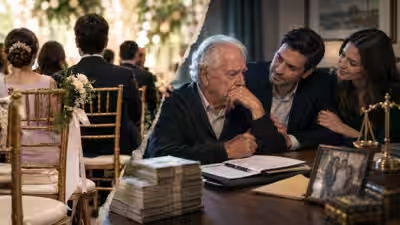
A wedding seating row triggered a £400,000 inheritance battle between two brothers after a court found the younger brother and his wife had fraudulently turned their elderly father against the family

A family wedding seating dispute has sparked a £400,000 inheritance battle between two brothers after a court found that a younger son and his wife had fraudulently influenced their elderly father to change his will. The row, which began more than 30 years ago and escalated at a wedding in 2011, ended with the court overturning a will that left the entire estate to the couple. Instead, the judge reinstated an earlier will dividing the inheritance among four branches of the family. The judge also ordered the younger brother to pay £115,000 towards his older brother’s legal costs.

£5,000 loan and wedding seating row fuel brothers’ bitter feud

The disagreement between the brothers dated back more than 30 years, with tensions reportedly developing over a dispute involving missing stock at a grocery shop previously run by Bani. Another source of resentment was a £5,000 loan that Bani had given Harish to help him establish the DJ career he wanted to pursue. The money was reportedly never repaid, according to the account presented during the trial.The hostility between the siblings intensified at the wedding of Bani’s eldest daughter in 2011. Harish and his wife attended a family gathering following the wedding but were unable to find seats. According to the judge, they attempted to sit in available places but were told by another family member, rather than Bani, that the seats had been reserved. Harish interpreted the situation as an indication that he was unwelcome and left the gathering, while Bani regarded his departure as a hostile gesture in front of both families.

Brothers’ family feud worsens after heated confrontation at father’s home

The judge noted that the incident had a lasting impact on their relationship. Bani believed Harish had walked out of the celebration, while Harish felt he had not been made welcome. Their disagreement continued in a later confrontation at Harish’s home, where their father was staying. The brothers gave different accounts of the incident, with Bani claiming he had been thrown out and Harish saying he had told his older brother to leave.Recorder Cohen said the consequences made it more difficult for Bani to visit his father at Harish’s home, although Gowerdhan’s own property was less than 100 yards away. The judge also noted that Harish acknowledged during cross-examination that he did not like his brother and actually hated him.

Father cuts older son out of will three months before his death

Gowerdhan had previously made a will in 2015 that divided his estate among his two surviving sons and the families of his two other children, who had died. However, in November 2023, approximately three months before his death, he made a new will leaving his entire estate, including his home in Northmead Road, Slough, to Harish and Paramjit. The change excluded Bani and the rest of the family from receiving any inheritance.The new arrangement prompted Bani to take legal action, alleging that his younger brother had unduly influenced their father and turned him against other relatives. The later will also contained a specific explanation for excluding Bani, stating that there had been little or no contact between them for years and that Bani was financially independent. Harish maintained that his older brother had become distant from their father during his final years.Harish’s barrister, Nina Roberts, argued that her client and his wife had become the central figures in Gowerdhan’s life. She said they had cared for the pensioner, visited him regularly and helped him maintain as much independence as possible. She also argued that Bani had played no part in his father’s life when the final will was made.Harish further maintained that he believed Bani had lost contact with their father. When Gowerdhan made similar statements about having little contact with other members of his immediate family in front of the solicitor preparing the will, Harish said he did not consider it his responsibility to correct him. He also raised questions about Bani’s behaviour at their father’s funeral, pointing to his decision to wear a Scottish Tam-o’-Shanter bonnet and his conduct during the occasion.

Brother and wife accused of misleading father to secure £400,000 estate

After hearing the evidence, Recorder Cohen found that Harish and Paramjit had influenced Gowerdhan by making him believe that other family members were no longer interested in maintaining contact with him. The judge accepted that the couple had provided loving care during the pensioner’s final years but concluded that Gowerdhan had become increasingly vulnerable as he grew older.The judge said Harish had made false representations to his father to persuade him to change his will, knowing that the statements were untrue. He also highlighted that Harish had been present when Gowerdhan told the solicitor that he no longer had contact with his immediate family apart from Harish and Paramjit. According to the judge, Harish knew this impression was false but did nothing to correct it.Recorder Cohen described the false statements as particularly significant because some family members had made considerable efforts to remain in contact with Gowerdhan. He concluded that Harish and Paramjit had poisoned the pensioner’s mind for their own financial benefit, ruling that their actions amounted to fraudulent calumny.The judge also found that Paramjit had contributed to the situation by keeping Gowerdhan away from his other daughter-in-law, Harjinder, after the later will was made. Neither Harish nor Paramjit had informed the wider family about plans to sell Gowerdhan’s property, combine some of the proceeds and purchase a house together. The court ultimately concluded that the later will had been brought about by the couple’s fraudulent actions and could not stand.

Court restores £400,000 inheritance split and orders brother to pay £115,000

Following the ruling, the later will was overturned, and Gowerdhan’s 2015 will was reinstated. Under that arrangement, the £400,000 estate was divided into four shares between Bani, Harish and the families of their two deceased siblings. Each branch of the family was entitled to approximately £100,000 under the earlier inheritance arrangement.However, the ruling also brought a significant financial consequence for Harish and Paramjit. The judge ordered the couple to pay the costs of the legal dispute, including an initial payment of £115,000 towards Bani’s legal fees, pending a full assessment of the bills. They were also ordered to cover their own substantial legal costs incurred during the proceedings.The costs order effectively wiped out Harish’s share of the inheritance, despite the reinstatement of the will that entitled him to a portion of the estate. The decision therefore meant that Bani’s challenge resulted in the restoration of the original four-way inheritance arrangement, while his younger brother faced a substantial financial liability arising from the court proceedings.The case followed a week-long trial at Central London County Court, where the judge considered the brothers’ longstanding disagreements, the circumstances surrounding the changes to Gowerdhan’s will and the evidence about the family’s contact with the pensioner. The court’s ruling established that the later inheritance arrangement had been secured through fraudulent calumny and reinstated the distribution set out in the 2015 will.Disclaimer: This article is based on information publicly available, including court proceedings and the judgment concerning the inheritance dispute involving Gowerdhan Dass and his family. The details of the family dispute, alleged fraudulent influence, inheritance arrangements and legal costs have been reported based on the court’s findings. The article does not constitute independent legal verification or legal advice.


Source link

Related Articles

Leave a Reply

Your email address will not be published. Required fields are marked *

Back to top button
×
newsnation.aanest.com
Logo
Date of Publish : 25 November 2026, 2:40 am Digital Edition : News nation
A wedding seating row triggered a £400,000 inheritance battle between two brothers after a court found the younger brother and his wife had fraudulently turned their elderly father against the family | World News

A family wedding seating dispute has sparked a £400,000 inheritance battle between two brothers after a court found that a younger son and his wife had fraudulently influenced their elderly father to change his will. The row, which began more than 30 years ago and escalated at a wedding in 2011, ended with the court overturning a will that left the entire estate to the couple. Instead, the judge reinstated an earlier will dividing the inheritance among four branches of the family. The judge also ordered the younger brother to pay £115,000 towards his older brother's legal costs.£5,000 loan and wedding seating row fuel brothers' bitter feudThe disagreement between the brothers dated back more than 30 years, with tensions reportedly developing over a dispute involving missing stock at a grocery shop previously run by Bani. Another source of resentment was a £5,000 loan that Bani had given Harish to help him establish the DJ career he wanted to pursue. The money was reportedly never repaid, according to the account presented during the trial.The hostility between the siblings intensified at the wedding of Bani's eldest daughter in 2011. Harish and his wife attended a family gathering following the wedding but were unable to find seats. According to the judge, they attempted to sit in available places but were told by another family member, rather than Bani, that the seats had been reserved. Harish interpreted the situation as an indication that he was unwelcome and left the gathering, while Bani regarded his departure as a hostile gesture in front of both families.Brothers' family feud worsens after heated confrontation at father's homeThe judge noted that the incident had a lasting impact on their relationship. Bani believed Harish had walked out of the celebration, while Harish felt he had not been made welcome. Their disagreement continued in a later confrontation at Harish's home, where their father was staying. The brothers gave different accounts of the incident, with Bani claiming he had been thrown out and Harish saying he had told his older brother to leave.Recorder Cohen said the consequences made it more difficult for Bani to visit his father at Harish's home, although Gowerdhan's own property was less than 100 yards away. The judge also noted that Harish acknowledged during cross-examination that he did not like his brother and actually hated him.Father cuts older son out of will three months before his deathGowerdhan had previously made a will in 2015 that divided his estate among his two surviving sons and the families of his two other children, who had died. However, in November 2023, approximately three months before his death, he made a new will leaving his entire estate, including his home in Northmead Road, Slough, to Harish and Paramjit. The change excluded Bani and the rest of the family from receiving any inheritance.The new arrangement prompted Bani to take legal action, alleging that his younger brother had unduly influenced their father and turned him against other relatives. The later will also contained a specific explanation for excluding Bani, stating that there had been little or no contact between them for years and that Bani was financially independent. Harish maintained that his older brother had become distant from their father during his final years.Harish's barrister, Nina Roberts, argued that her client and his wife had become the central figures in Gowerdhan's life. She said they had cared for the pensioner, visited him regularly and helped him maintain as much independence as possible. She also argued that Bani had played no part in his father's life when the final will was made.Harish further maintained that he believed Bani had lost contact with their father. When Gowerdhan made similar statements about having little contact with other members of his immediate family in front of the solicitor preparing the will, Harish said he did not consider it his responsibility to correct him. He also raised questions about Bani's behaviour at their father's funeral, pointing to his decision to wear a Scottish Tam-o'-Shanter bonnet and his conduct during the occasion.Brother and wife accused of misleading father to secure £400,000 estateAfter hearing the evidence, Recorder Cohen found that Harish and Paramjit had influenced Gowerdhan by making him believe that other family members were no longer interested in maintaining contact with him. The judge accepted that the couple had provided loving care during the pensioner's final years but concluded that Gowerdhan had become increasingly vulnerable as he grew older.The judge said Harish had made false representations to his father to persuade him to change his will, knowing that the statements were untrue. He also highlighted that Harish had been present when Gowerdhan told the solicitor that he no longer had contact with his immediate family apart from Harish and Paramjit. According to the judge, Harish knew this impression was false but did nothing to correct it.Recorder Cohen described the false statements as particularly significant because some family members had made considerable efforts to remain in contact with Gowerdhan. He concluded that Harish and Paramjit had poisoned the pensioner's mind for their own financial benefit, ruling that their actions amounted to fraudulent calumny.The judge also found that Paramjit had contributed to the situation by keeping Gowerdhan away from his other daughter-in-law, Harjinder, after the later will was made. Neither Harish nor Paramjit had informed the wider family about plans to sell Gowerdhan's property, combine some of the proceeds and purchase a house together. The court ultimately concluded that the later will had been brought about by the couple's fraudulent actions and could not stand.Court restores £400,000 inheritance split and orders brother to pay £115,000Following the ruling, the later will was overturned, and Gowerdhan's 2015 will was reinstated. Under that arrangement, the £400,000 estate was divided into four shares between Bani, Harish and the families of their two deceased siblings. Each branch of the family was entitled to approximately £100,000 under the earlier inheritance arrangement.However, the ruling also brought a significant financial consequence for Harish and Paramjit. The judge ordered the couple to pay the costs of the legal dispute, including an initial payment of £115,000 towards Bani's legal fees, pending a full assessment of the bills. They were also ordered to cover their own substantial legal costs incurred during the proceedings.The costs order effectively wiped out Harish's share of the inheritance, despite the reinstatement of the will that entitled him to a portion of the estate. The decision therefore meant that Bani's challenge resulted in the restoration of the original four-way inheritance arrangement, while his younger brother faced a substantial financial liability arising from the court proceedings.The case followed a week-long trial at Central London County Court, where the judge considered the brothers' longstanding disagreements, the circumstances surrounding the changes to Gowerdhan's will and the evidence about the family's contact with the pensioner. The court's ruling established that the later inheritance arrangement had been secured through fraudulent calumny and reinstated the distribution set out in the 2015 will.Disclaimer: This article is based on information publicly available, including court proceedings and the judgment concerning the inheritance dispute involving Gowerdhan Dass and his family. The details of the family dispute, alleged fraudulent influence, inheritance arrangements and legal costs have been reported based on the court's findings. The article does not constitute independent legal verification or legal advice.

Source link