Entertainment

In 1941, Bob Hope began a Christmas tradition that brought laughter to American troops far from home | English Movie News

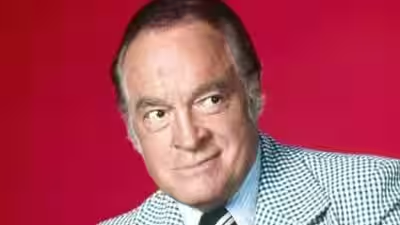
In 1941, Bob Hope began a Christmas tradition that brought laughter to American troops far from home

For American soldiers stationed overseas, Christmas during wartime was often a reminder of how far they were from their families. While many celebrated the holiday at home, thousands of servicemen spent it in military camps, unfamiliar countries and dangerous locations.Comedian and entertainer Bob Hope became one of the most familiar faces to American troops during these difficult years. Through his Christmas shows, he brought comedy, music and a sense of celebration to servicemen who were separated from their loved ones.His performances eventually became a much-loved tradition, continuing across several decades and some of the most significant conflicts involving the United States.

The 1948 Berlin Airlift Christmas show that started a decades-long tradition

Hope’s connection with the military began much earlier. In May 1941, he performed a radio broadcast for American airmen at March Field in California. During World War II, he continued visiting military bases and entertaining troops through radio programmes and live performances.

However, December 1948 marked the beginning of his famous Christmas tradition.

At the time, Berlin was facing a major crisis. The Soviet Union had blocked land routes into the city, and Western forces were supplying its residents through an airlift. American airmen involved in the operation were spending Christmas away from home.Hope travelled to Germany with a group of entertainers to perform for the servicemen. The visit was organised at the request of the US military leadership, and the response from the troops encouraged him to continue the tradition in the years that followed.

How Bob Hope’s Christmas shows became a military tradition

Over the following years, Hope took his holiday performances to American military personnel stationed in different parts of the world. His tours included places such as Alaska, Greenland, Iceland, Japan, Korea and the Caribbean.The shows featured comedy, music, dance and appearances by popular entertainers. Hope often made jokes about military life, the conditions at the bases and the officers in charge. His humour helped make the performances feel personal rather than like formal entertainment.By 1954, he had begun filming Christmas programmes at overseas military bases for television. These broadcasts allowed audiences in the United States to see the celebrations and catch a glimpse of servicemen spending the holidays away from their families.

The Vietnam War years brought his Christmas shows to millions

One of the most memorable periods of Hope’s military entertainment career came during the Vietnam War. He first took his Christmas tour to the Vietnam theatre in 1964 and returned every year until 1972.The shows brought together Hollywood stars, singers, dancers and comedians. Several well-known personalities joined him on these trips, including Ann-Margret, Raquel Welch and Sammy Davis Jr. The performances were often held at military bases, where servicemen gathered to watch the entertainers and enjoy a break from their daily routine.Hope’s Vietnam Christmas specials also became popular with viewers back home. His 1970 broadcast attracted an exceptionally large television audience, with the National WWII Museum noting that it reached 64 per cent of the viewing public.For many troops, the shows were more than just a comedy performance. They offered a brief connection to home during a difficult period. Some servicemen travelled from the field to attend, while others remembered the experience for years afterwards.

Bob Hope continued visiting troops long after Vietnam

Although Hope’s annual Christmas shows in Vietnam ended in 1972, he continued entertaining military personnel during the holiday season.In 1983, he spent Christmas with American troops in Beirut, Lebanon. In 1990, he travelled to Saudi Arabia with his wife, Dolores Hope, to entertain servicemen and women deployed during Operation Desert Shield.The 1990 visit became his final Christmas tour for American troops. By then, generations of military personnel had grown up watching or attending his performances. Some had seen him during World War II, while others remembered his shows from Korea or Vietnam.

A legacy that went beyond comedy

Bob Hope’s Christmas shows became one of the most recognised traditions in American military entertainment. His visits brought familiar faces, laughter and a sense of celebration to servicemen and women who could not spend the holidays with their families.Hope often spoke about how much the troops meant to him. His long association with the military was also recognised through numerous awards and honours.His Christmas performances remain an important part of his legacy, remembered not only for the celebrities who took part but also for the comfort they offered to those serving far from home.


Source link

Related Articles

Leave a Reply

Your email address will not be published. Required fields are marked *

Back to top button
×
newsnation.aanest.com
Logo
Date of Publish : 24 November 2026, 12:51 pm Digital Edition : News nation
In 1941, Bob Hope began a Christmas tradition that brought laughter to American troops far from home | English Movie News

For American soldiers stationed overseas, Christmas during wartime was often a reminder of how far they were from their families. While many celebrated the holiday at home, thousands of servicemen spent it in military camps, unfamiliar countries and dangerous locations.Comedian and entertainer Bob Hope became one of the most familiar faces to American troops during these difficult years. Through his Christmas shows, he brought comedy, music and a sense of celebration to servicemen who were separated from their loved ones.His performances eventually became a much-loved tradition, continuing across several decades and some of the most significant conflicts involving the United States.The 1948 Berlin Airlift Christmas show that started a decades-long traditionHope’s connection with the military began much earlier. In May 1941, he performed a radio broadcast for American airmen at March Field in California. During World War II, he continued visiting military bases and entertaining troops through radio programmes and live performances.However, December 1948 marked the beginning of his famous Christmas tradition.At the time, Berlin was facing a major crisis. The Soviet Union had blocked land routes into the city, and Western forces were supplying its residents through an airlift. American airmen involved in the operation were spending Christmas away from home.Hope travelled to Germany with a group of entertainers to perform for the servicemen. The visit was organised at the request of the US military leadership, and the response from the troops encouraged him to continue the tradition in the years that followed.How Bob Hope’s Christmas shows became a military traditionOver the following years, Hope took his holiday performances to American military personnel stationed in different parts of the world. His tours included places such as Alaska, Greenland, Iceland, Japan, Korea and the Caribbean.The shows featured comedy, music, dance and appearances by popular entertainers. Hope often made jokes about military life, the conditions at the bases and the officers in charge. His humour helped make the performances feel personal rather than like formal entertainment.By 1954, he had begun filming Christmas programmes at overseas military bases for television. These broadcasts allowed audiences in the United States to see the celebrations and catch a glimpse of servicemen spending the holidays away from their families.The Vietnam War years brought his Christmas shows to millionsOne of the most memorable periods of Hope’s military entertainment career came during the Vietnam War. He first took his Christmas tour to the Vietnam theatre in 1964 and returned every year until 1972.The shows brought together Hollywood stars, singers, dancers and comedians. Several well-known personalities joined him on these trips, including Ann-Margret, Raquel Welch and Sammy Davis Jr. The performances were often held at military bases, where servicemen gathered to watch the entertainers and enjoy a break from their daily routine.Hope’s Vietnam Christmas specials also became popular with viewers back home. His 1970 broadcast attracted an exceptionally large television audience, with the National WWII Museum noting that it reached 64 per cent of the viewing public.For many troops, the shows were more than just a comedy performance. They offered a brief connection to home during a difficult period. Some servicemen travelled from the field to attend, while others remembered the experience for years afterwards.Bob Hope continued visiting troops long after VietnamAlthough Hope’s annual Christmas shows in Vietnam ended in 1972, he continued entertaining military personnel during the holiday season.In 1983, he spent Christmas with American troops in Beirut, Lebanon. In 1990, he travelled to Saudi Arabia with his wife, Dolores Hope, to entertain servicemen and women deployed during Operation Desert Shield.The 1990 visit became his final Christmas tour for American troops. By then, generations of military personnel had grown up watching or attending his performances. Some had seen him during World War II, while others remembered his shows from Korea or Vietnam.A legacy that went beyond comedyBob Hope’s Christmas shows became one of the most recognised traditions in American military entertainment. His visits brought familiar faces, laughter and a sense of celebration to servicemen and women who could not spend the holidays with their families.Hope often spoke about how much the troops meant to him. His long association with the military was also recognised through numerous awards and honours.His Christmas performances remain an important part of his legacy, remembered not only for the celebrities who took part but also for the comfort they offered to those serving far from home.

Source link