In 2026, Lee Miller’s son gifted her former home, Farleys, to a new charity to preserve its galleries, artistic legacy and public access for future generations | World News

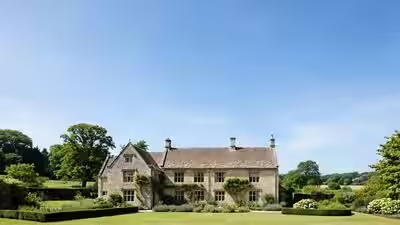

Lee Miller’s former family home at Farleys in Sussex became a charity after her son, Antony Penrose, gifted the entire property, including its galleries and surrounding site, to a newly formed organisation. The move was intended to protect the historic home and secure public access for decades to come.The transition marked a new chapter for Farleys, which Miller’s husband, artist Roland Penrose, bought in 1949. According to BAPLA, the house became a meeting place for leading artists of the time, including Pablo Picasso, Man Ray and Joan Miró. It later developed from a family home into one of the major centres for Surrealism in the UK.
Lee Miller’s son transfers family home and galleries to charity
Antony Penrose gave the entirety of Farleys, including the house, galleries and wider site, to a newly formed charity. The transfer was intended to secure his childhood home for the public for decades to come. The former home belonged to photographer and war correspondent Lee Miller and Surrealist artist Roland Penrose.Antony was their son and a co-director of Farleys. Under the new arrangement, the property began operating as a charity, marking a new stage in its history. The announcement described the gift as a way to protect the site for public benefit. Before the transfer, Farleys had been managed by the family and a small dedicated team.
Farleys became a gathering place for leading 20th-century artists
Roland Penrose bought Farleys in 1949 as a place where Lee Miller could rest and recover after the Second World War. The house soon became a destination for leading artists of the century to meet, collaborate and create. Its visitors included Pablo Picasso, Leonora Carrington, Joan Miró, Dorothea Tanning, Man Ray and Henry Moore.Antony Penrose recalled that he did not understand how exceptional his childhood surroundings were at the time. He gradually realised that few people had some of the most famous artists of the period among their family friends. His recollections described a childhood among some of the most famous artists of the time.
How did Lee Miller’s family preserve her artistic legacy
Miller’s family spent decades preserving and promoting her artistic legacy. Almost 50 years ago, her son discovered her life’s work in the attic at Farleys. Without the efforts of her descendants, much of her work might have been dispersed or forgotten. Since the discovery, the family and a small team have worked to bring her photography to wider attention and restore her place in art history.Interest in Miller’s work grew further after the 2023 film LEE and a major exhibition at Tate Britain in 2025-26. The renewed international attention highlighted public interest in her former home and strengthened efforts to preserve the legacy of Miller and her contemporaries.
Farleys seeks public support to protect its future
Farleys continued to welcome visitors through tours, exhibitions, events and workshops. Its galleries also showcased contemporary artists alongside the work of artists who had been contemporaries of Miller and Penrose. The move to charitable status meant the organisation would depend more heavily on support from individuals, trusts, foundations and companies.Farleys had evolved from a family home into a private company before becoming a charity. It described itself as one of the UK’s major centres for Surrealism.
Source link