Entertainment

Ramayana: Rise Of A Legend Movie Review: A spectacle unlike anything Indian cinema has seen before

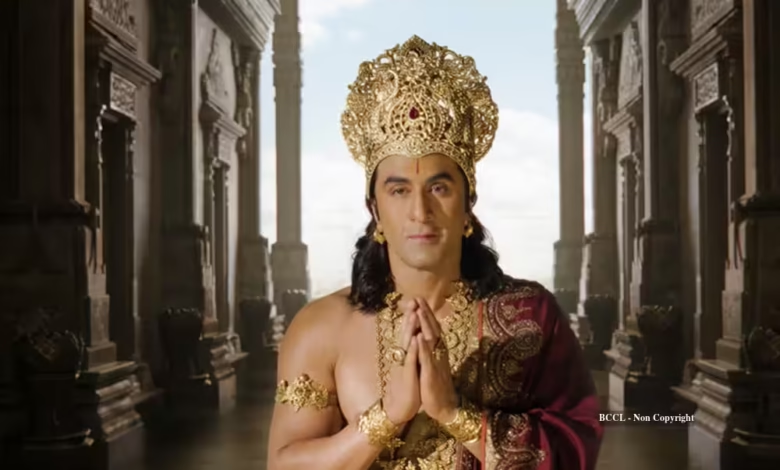
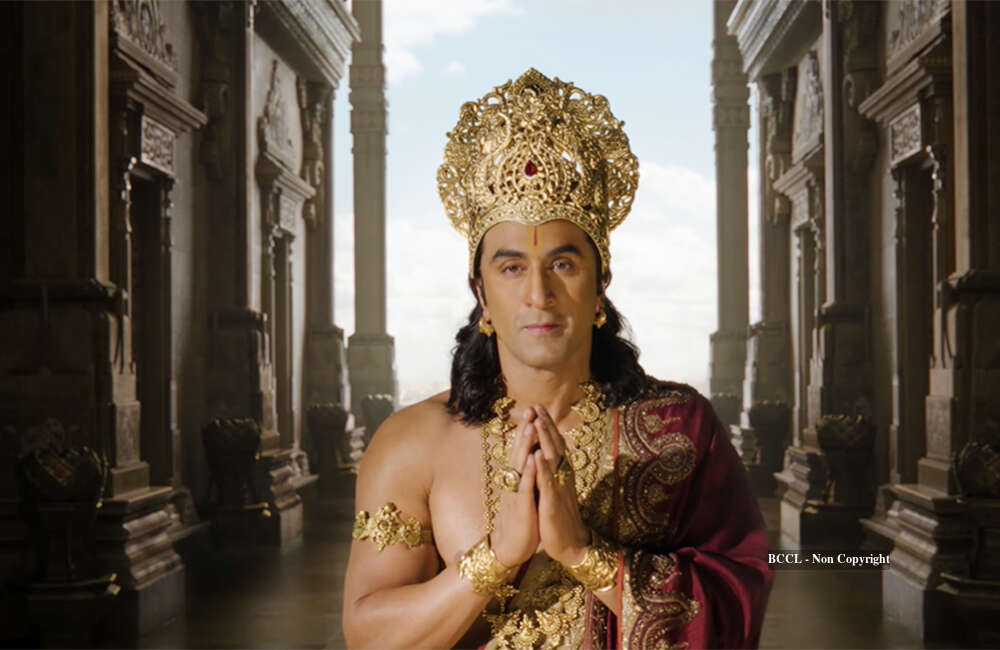
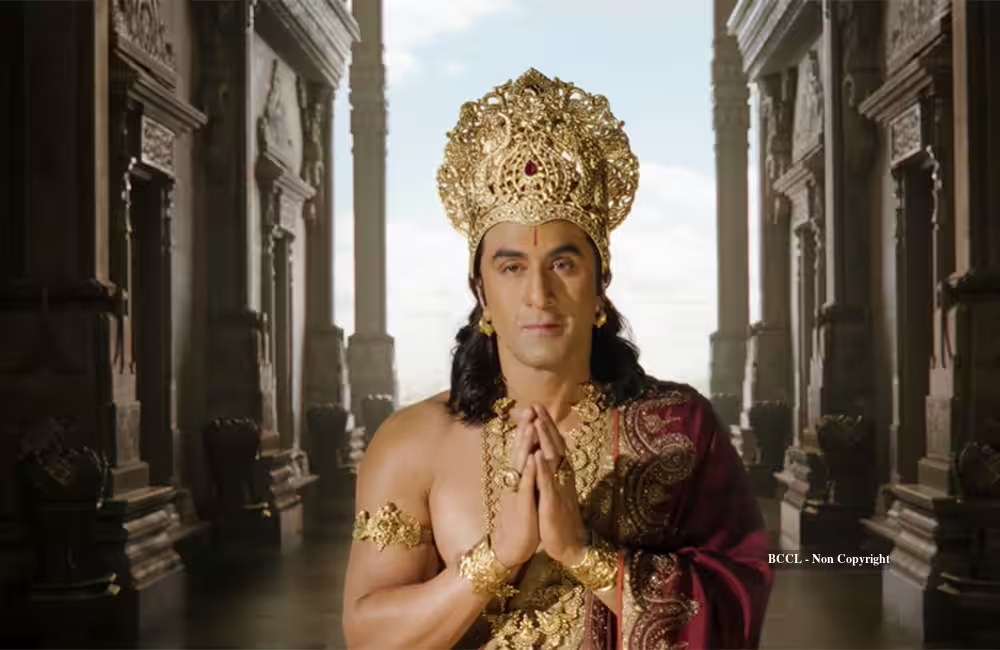
Finally, an Indian epic that stands alongside the world’s grandest cinematic spectacles Story: Nitesh Tiwari delivers a breathtaking cinematic spectacle without ever losing sight of Ramayana’s emotional core. Based on Valmiki’s poem, an ancient Hindu epic, Ramayana: Part 1 chronicles the events leading up to the battle between good and evil, embodied by Ayodhya’s Prince Ram and Lanka’s mighty king Raavan. Blessed with a boon from Brahma, Raavan is seemingly invincible, while Ram, the human incarnation of Lord Vishnu, is destined to be the one who vanquishes him. Review: I walked into Ramayana with modest expectations, particularly given its rather unusual promotional campaign. The ambition to position it as a global historical-mythological epic is understandable. However, Indian critics were among the last to watch the film, days after its US premiere. Given how spectacular the film turns out to be, one wonders why the makers chose to withhold it from the very audience whose cultural legacy it celebrates. A rather bizarre decision that inevitably raised questions about the film and its potential. How do you tell a story as old as time and still make it feel fresh? That is perhaps the biggest challenge facing Ramayana. Ram’s vanvas, Sita’s abduction and the inevitable battle between Ram and Raavan. The story is deeply familiar, leaving little room for surprise.Ramanand Sagar’s Ramayan has made such an indelible mark on generations of viewers that creating another adaptation with its own distinct identity is no small feat. Yet, Nitesh Tiwari manages to overcome this very familiarity through his extraordinary cinematic vision. He makes a tale we all know feel engaging, immersive and, remarkably, new. While certain sequences embrace a familiar superhero-versus-evil narrative, the Marvel-esque treatment never feels forced or derivative. Despite its grand, contemporary cinematic approach, the film remains deeply rooted in its Indian ethos, its faith and, above all, its belief in humanity, embodied by its most revered ideal — Ram. There have been several interpretations and adaptations of Valmiki’s Ramayana, but Namit Malhotra and Nitesh Tiwari take the story to an entirely different cinematic scale. The film remains faithful to its source material while delivering a visual experience that stands shoulder to shoulder with the grandest international productions. More importantly, its technical ambition never comes at the expense of its emotional core. Despite its lengthy 3-hour-15-minute Hindi runtime, Ramayana largely holds your attention. The film proudly boasts of having DNEG (Prime Focus Studios) and artists who worked on major Hollywood productions such as Dune and Odyssey on board and rightly so. The quality of their work is evident in every frame. The top-notch visual effects bring to life an expansive, immersive and remarkably detailed world, delivering a level of precision rarely seen in Indian cinema. The casting, which may have seemed unconventional when first announced, proves to be remarkably well-judged. Ranbir Kapoor is undoubtedly one of the finest actors of our generation, yet the full range of his versatility has often been a subject of debate. Is he at his most compelling when portraying broken, emotionally complex characters, or does he shine brightest as a coming-of-age protagonist? With Ramayana, however, Ranbir delivers an almost anti-Animal performance, making a compelling case for an entirely different dimension of his talent. Revered as Maryada Purushottam, the ideal man and the ultimate embodiment of righteousness, responsibility and dharma, Ram is a character who demands extraordinary restraint. Ranbir seems to understand this instinctively. He consciously reins in his natural intensity, allowing emotion to surface through measured expressions, subtle gestures and a remarkably controlled performance. In many ways, this is a far more demanding acting choice than simply playing to the gallery. It requires him to resist the impulse to overwhelm the character with emotion and instead find power in stillness. He does so beautifully. His restraint becomes his greatest strength, allowing him to gradually recede into the character rather than draw attention to the star playing him. Sai Pallavi brings poise and quiet resilience to Sita. Her strength is never overstated; it comes through in her expressive glances, composure and innate wisdom. Ravi Dubey is equally convincing as Lakshman, capturing the fierce loyalty, sharpness and occasional impulsiveness of Ram’s younger brother. However, it is Yash who makes the strongest impression as Raavan. Where Ranbir’s performance is built around restraint, Yash embraces unbridled rage and a larger-than-life presence. His pulsating tandav and deep-seated resentment towards Vishnu and his human avatar make for a compelling counterpoint to Ram’s righteousness. His nearly 30-minute opening stretch, along with the climactic confrontation involving the demigod Jatayu, ranks among the film’s most striking passages. Both sequences are elevated by spectacular action choreography and Yash’s commanding screen presence. That said, the film is not without its shortcomings. The pacing occasionally slackens in stretches devoid of action, certain costumes and lines of dialogue feel a touch too contemporary, and the lip-sync is noticeably off in the opening portions. These, however, are minor distractions in what is otherwise a spectacular cinematic experience. A. R. Rahman’s music is effective, even if some portions feel a tad generic. Mangal Rang emerges as the most memorable track, while his collaboration with Hans Zimmer gives the background score an especially powerful, cinematic quality. The orchestral soundscape adds considerably to the film’s sense of scale. For those of us who grew up watching Marvel, DC and Hollywood’s grand cinematic spectacles, there is something especially gratifying about finally witnessing an Indian epic brought to life on a comparable scale, without losing its cultural identity. This is not about imitating Hollywood; it is about Indian storytelling confidently embracing a global cinematic canvas. Ultimately, the true test of a film lies in how it makes you feel when you walk out of the theatre. And you walk out of Ramayana with a wide smile, a sense of exhilaration and immense pride in seeing India create something this extraordinary, a spectacle that is unapologetically its own, where audacious ambition is matched by execution. Ramayana is an immersive, larger-than-life cinematic experience and a landmark moment for Indian cinema — one that deserves to be experienced in IMAX 3D. Bring on Part Two, we say! And don’t forget to stay back for the post-credits scene.Author: Renuka.Vyavahare@timesofindia.com


Source link

Related Articles

Leave a Reply

Your email address will not be published. Required fields are marked *

Back to top button
×
newsnation.aanest.com
Logo
Date of Publish : 05 November 2026, 12:59 pm Digital Edition : News nation
Ramayana: Rise Of A Legend Movie Review: A spectacle unlike anything Indian cinema has seen before

Finally, an Indian epic that stands alongside the world's grandest cinematic spectacles Story: Nitesh Tiwari delivers a breathtaking cinematic spectacle without ever losing sight of Ramayana’s emotional core. Based on Valmiki’s poem, an ancient Hindu epic, Ramayana: Part 1 chronicles the events leading up to the battle between good and evil, embodied by Ayodhya’s Prince Ram and Lanka’s mighty king Raavan. Blessed with a boon from Brahma, Raavan is seemingly invincible, while Ram, the human incarnation of Lord Vishnu, is destined to be the one who vanquishes him. Review: I walked into Ramayana with modest expectations, particularly given its rather unusual promotional campaign. The ambition to position it as a global historical-mythological epic is understandable. However, Indian critics were among the last to watch the film, days after its US premiere. Given how spectacular the film turns out to be, one wonders why the makers chose to withhold it from the very audience whose cultural legacy it celebrates. A rather bizarre decision that inevitably raised questions about the film and its potential. How do you tell a story as old as time and still make it feel fresh? That is perhaps the biggest challenge facing Ramayana. Ram’s vanvas, Sita’s abduction and the inevitable battle between Ram and Raavan. The story is deeply familiar, leaving little room for surprise.Ramanand Sagar's Ramayan has made such an indelible mark on generations of viewers that creating another adaptation with its own distinct identity is no small feat. Yet, Nitesh Tiwari manages to overcome this very familiarity through his extraordinary cinematic vision. He makes a tale we all know feel engaging, immersive and, remarkably, new. While certain sequences embrace a familiar superhero-versus-evil narrative, the Marvel-esque treatment never feels forced or derivative. Despite its grand, contemporary cinematic approach, the film remains deeply rooted in its Indian ethos, its faith and, above all, its belief in humanity, embodied by its most revered ideal — Ram. There have been several interpretations and adaptations of Valmiki's Ramayana, but Namit Malhotra and Nitesh Tiwari take the story to an entirely different cinematic scale. The film remains faithful to its source material while delivering a visual experience that stands shoulder to shoulder with the grandest international productions. More importantly, its technical ambition never comes at the expense of its emotional core. Despite its lengthy 3-hour-15-minute Hindi runtime, Ramayana largely holds your attention. The film proudly boasts of having DNEG (Prime Focus Studios) and artists who worked on major Hollywood productions such as Dune and Odyssey on board and rightly so. The quality of their work is evident in every frame. The top-notch visual effects bring to life an expansive, immersive and remarkably detailed world, delivering a level of precision rarely seen in Indian cinema. The casting, which may have seemed unconventional when first announced, proves to be remarkably well-judged. Ranbir Kapoor is undoubtedly one of the finest actors of our generation, yet the full range of his versatility has often been a subject of debate. Is he at his most compelling when portraying broken, emotionally complex characters, or does he shine brightest as a coming-of-age protagonist? With Ramayana, however, Ranbir delivers an almost anti-Animal performance, making a compelling case for an entirely different dimension of his talent. Revered as Maryada Purushottam, the ideal man and the ultimate embodiment of righteousness, responsibility and dharma, Ram is a character who demands extraordinary restraint. Ranbir seems to understand this instinctively. He consciously reins in his natural intensity, allowing emotion to surface through measured expressions, subtle gestures and a remarkably controlled performance. In many ways, this is a far more demanding acting choice than simply playing to the gallery. It requires him to resist the impulse to overwhelm the character with emotion and instead find power in stillness. He does so beautifully. His restraint becomes his greatest strength, allowing him to gradually recede into the character rather than draw attention to the star playing him. Sai Pallavi brings poise and quiet resilience to Sita. Her strength is never overstated; it comes through in her expressive glances, composure and innate wisdom. Ravi Dubey is equally convincing as Lakshman, capturing the fierce loyalty, sharpness and occasional impulsiveness of Ram's younger brother. However, it is Yash who makes the strongest impression as Raavan. Where Ranbir's performance is built around restraint, Yash embraces unbridled rage and a larger-than-life presence. His pulsating tandav and deep-seated resentment towards Vishnu and his human avatar make for a compelling counterpoint to Ram's righteousness. His nearly 30-minute opening stretch, along with the climactic confrontation involving the demigod Jatayu, ranks among the film's most striking passages. Both sequences are elevated by spectacular action choreography and Yash's commanding screen presence. That said, the film is not without its shortcomings. The pacing occasionally slackens in stretches devoid of action, certain costumes and lines of dialogue feel a touch too contemporary, and the lip-sync is noticeably off in the opening portions. These, however, are minor distractions in what is otherwise a spectacular cinematic experience. A. R. Rahman's music is effective, even if some portions feel a tad generic. Mangal Rang emerges as the most memorable track, while his collaboration with Hans Zimmer gives the background score an especially powerful, cinematic quality. The orchestral soundscape adds considerably to the film's sense of scale. For those of us who grew up watching Marvel, DC and Hollywood’s grand cinematic spectacles, there is something especially gratifying about finally witnessing an Indian epic brought to life on a comparable scale, without losing its cultural identity. This is not about imitating Hollywood; it is about Indian storytelling confidently embracing a global cinematic canvas. Ultimately, the true test of a film lies in how it makes you feel when you walk out of the theatre. And you walk out of Ramayana with a wide smile, a sense of exhilaration and immense pride in seeing India create something this extraordinary, a spectacle that is unapologetically its own, where audacious ambition is matched by execution. Ramayana is an immersive, larger-than-life cinematic experience and a landmark moment for Indian cinema — one that deserves to be experienced in IMAX 3D. Bring on Part Two, we say! And don't forget to stay back for the post-credits scene.Author: Renuka.Vyavahare@timesofindia.com

Source link